


Obsidian, black
Meaning of the name:
Info about the stone
 SCORPIO
 ROOT CHAKRA
 WATER
WATER
 AMORPHOUS
 HÄRTE 5-5.5
 EDELSTEINWASSER ✓
 SCORPIO
 ROOT CHAKRA
 WATER
WATER
 AMORPHOUS
BLACK
 HÄRTE 5-5.5
 EDELSTEINWASSER ✓
-
SCORPIO
-
 ROOT CHAKRA
-
WATER
-
AMORPHOUS
- BLACK
-
Suitable for gemstone water

Meaning
Alleged effect
Mineralogie & Entstehung
Pflege & Reinigung
Verwechslungsgefahren & Qualität


-
Obsidian, black tumbled stone
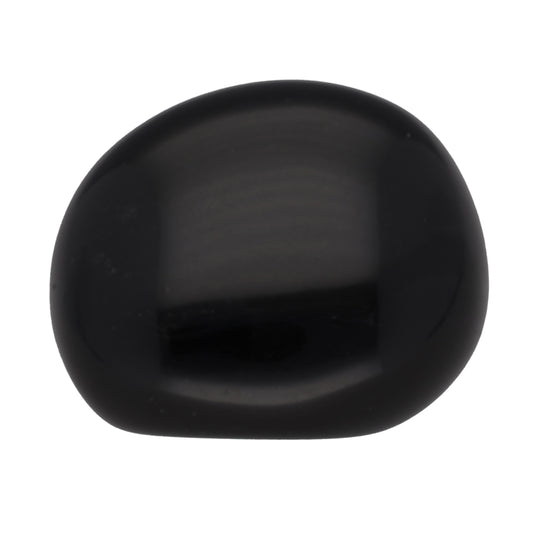
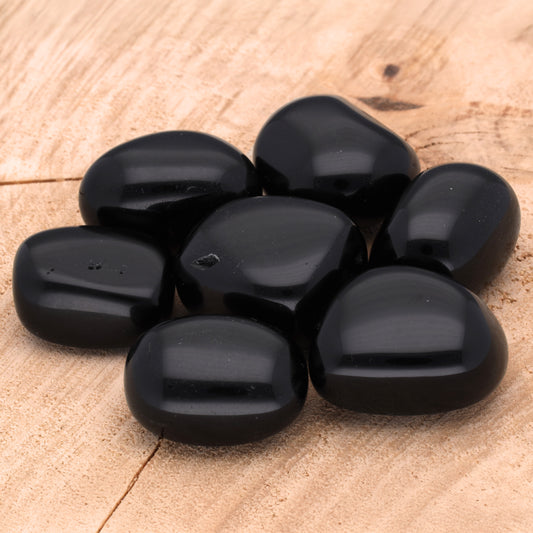 Obsidian, black tumbled stone
- Regular price
- From €4,99
- Regular price
-
- Sale price
- From €4,99
- Unit price
- per
incl. VAT. -
Obsidian, black drop pendant
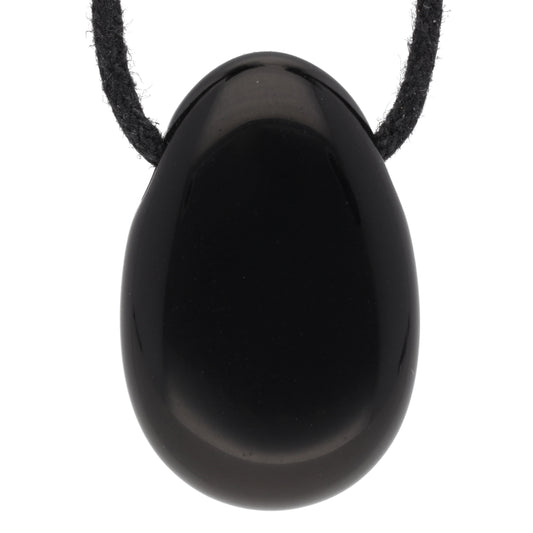
 Obsidian, black drop pendant
- Regular price
- €7,99
- Regular price
-
- Sale price
- €7,99
- Unit price
- per
incl. VAT. -
Obsidian, black chip bracelet
![[slot:MAIN] MAIN polished](//lebensquelle-plus.de/cdn/shop/files/MAIN_polished_ba47e792-01c9-4690-9292-f9471c3af7fa_533x.jpg?v=1782815637)
![[slot:PT01] PT01 polished](//lebensquelle-plus.de/cdn/shop/files/GEN_new_0a012eae-83ba-43a2-9bd0-30fa836781d7_533x.jpg?v=1782814695) Obsidian, black chip bracelet
Obsidian, black chip bracelet- Regular price
- €6,99
- Regular price
-
- Sale price
- €6,99
- Unit price
- per
incl. VAT. -
Obsidian, black water stones
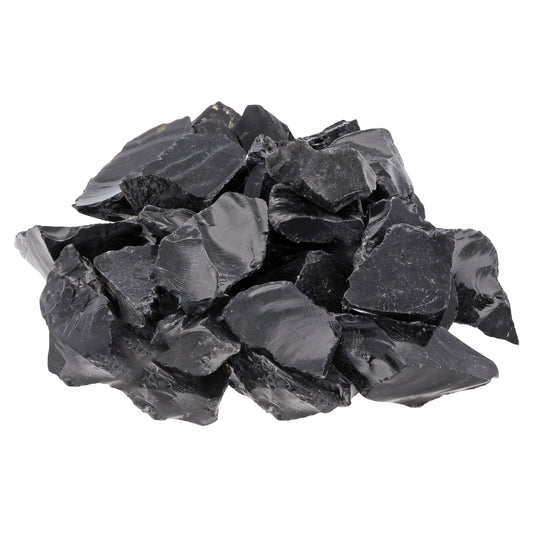

Sold out
Obsidian, black water stones- Regular price
- From €4,99
- Regular price
-
- Sale price
- From €4,99
- Unit price
- per
incl. VAT. -
Obsidian, black heart pendant | 2x2 cm

 Obsidian, black heart pendant | 2x2 cm
- Regular price
- €4,99
- Regular price
-
- Sale price
- €4,99
- Unit price
- per
incl. VAT. -
Black Obsidian Donut Pendant | 30 mm Pendant + Cotton Cord
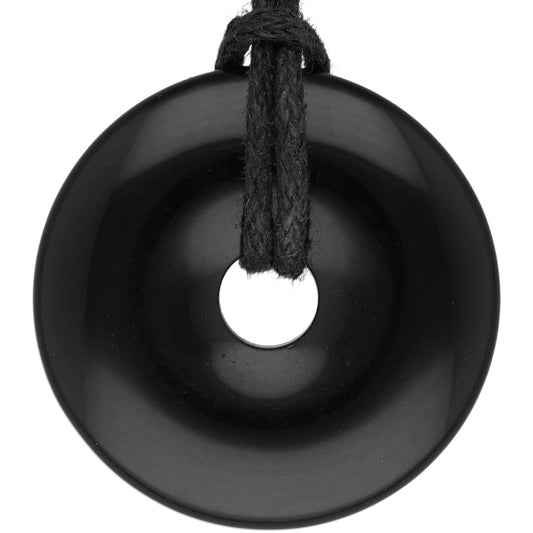
 Black Obsidian Donut Pendant | 30 mm Pendant + Cotton...
- Regular price
- €7,99
- Regular price
-
- Sale price
- €7,99
- Unit price
- per
incl. VAT. -
Obsidian, black heart | Palm stone 2x2 cm−10%Wochenangebot
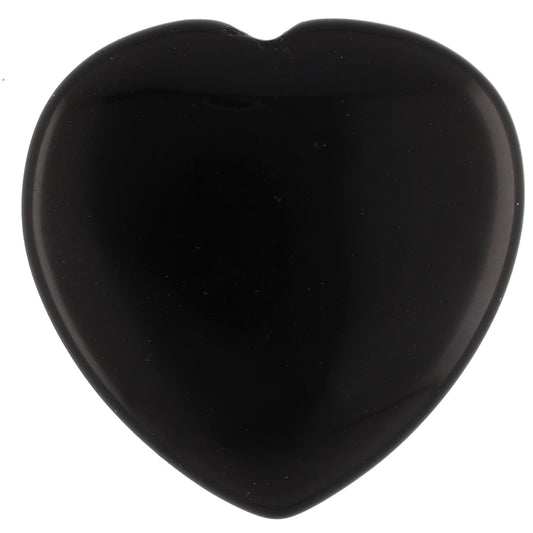 Obsidian, black heart | Palm stone 2x2 cm
- Regular price
- €2,24
- Regular price
-
€2,49 - Sale price
- €2,24
- Unit price
- per
incl. VAT. -
Black Obsidian Donut Pendant | 40 mm Pendant + Cotton Cord
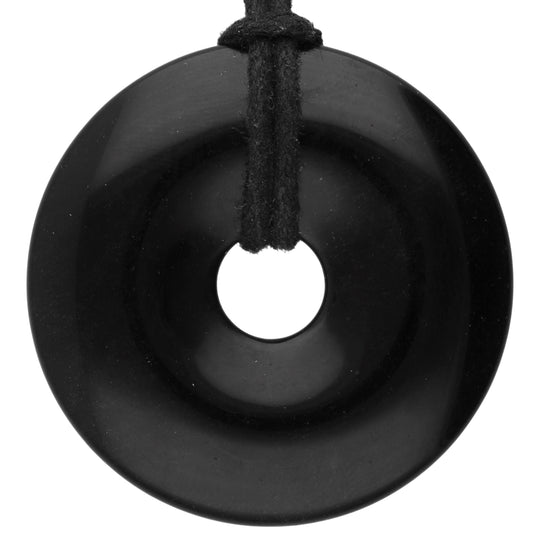
![[slot:PT01] PT01 polished](//lebensquelle-plus.de/cdn/shop/files/GEN_new_cfa6e568-1743-4dd7-9291-4707ab437dfd_533x.jpg?v=1787303349) Black Obsidian Donut Pendant | 40 mm Pendant + Cotton...
Black Obsidian Donut Pendant | 40 mm Pendant + Cotton...- Regular price
- €9,99
- Regular price
-
- Sale price
- €9,99
- Unit price
- per
incl. VAT. -
Obsidian, black tealight holder
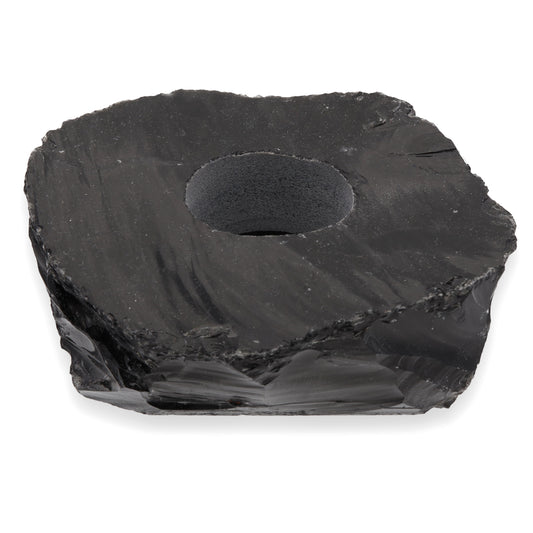
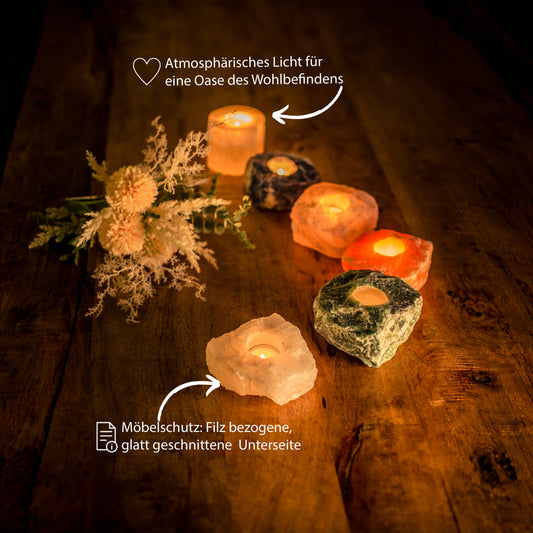 Obsidian, black tealight holder
- Regular price
- €22,99
- Regular price
-
- Sale price
- €22,99
- Unit price
- per
incl. VAT. -
Obsidian, black Pendulum, faceted + Holding ball
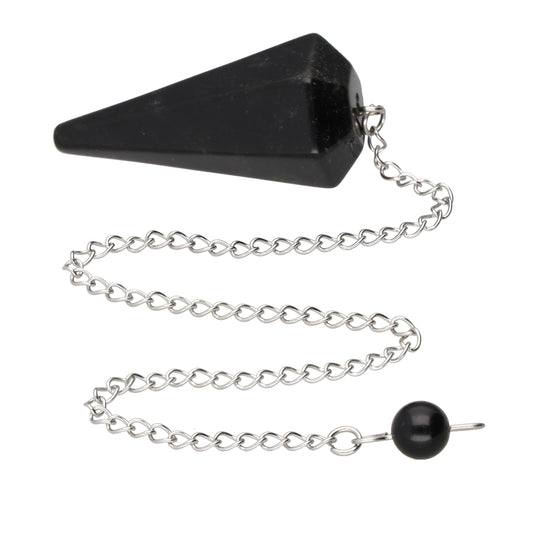
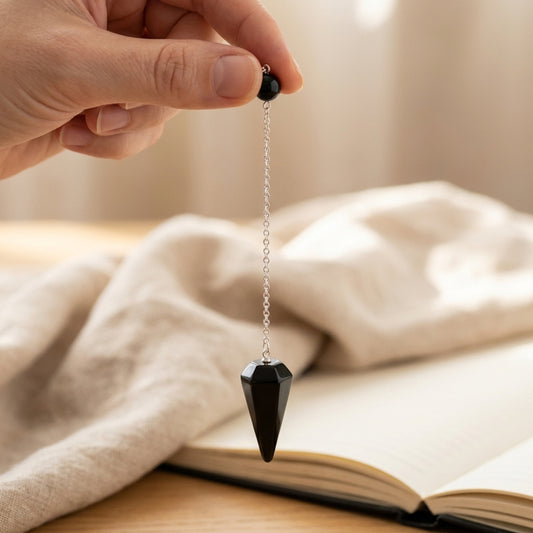 Obsidian, black Pendulum, faceted + Holding ball
- Regular price
- €9,99
- Regular price
-
- Sale price
- €9,99
- Unit price
- per
incl. VAT.
![[slot:MAIN] MAIN polished](http://lebensquelle-plus.de/cdn/shop/files/MAIN_polished_ba47e792-01c9-4690-9292-f9471c3af7fa_533x.jpg?v=1782815637)
![[slot:PT01] PT01 polished](http://lebensquelle-plus.de/cdn/shop/files/GEN_new_0a012eae-83ba-43a2-9bd0-30fa836781d7_533x.jpg?v=1782814695)


![[slot:PT01] PT01 polished](http://lebensquelle-plus.de/cdn/shop/files/GEN_new_cfa6e568-1743-4dd7-9291-4707ab437dfd_533x.jpg?v=1787303349)
