


Info about the stone
 PROTECT
 THROAT CHAKRA
 FIRE
FIRE
 HEXAGONAL
 HÄRTE 5
 KEIN EDELSTEINWASSER
 PROTECT
 THROAT CHAKRA
 FIRE
FIRE
 HEXAGONAL
BLUE
 HÄRTE 5
 KEIN EDELSTEINWASSER
-
PROTECT
-
 THROAT CHAKRA
-
FIRE
-
HEXAGONAL
- BLUE
-
Not suitable for gemstone water

Meaning
Alleged effect
Mineralogie & Entstehung
Pflege & Reinigung
Verwechslungsgefahren & Qualität


-
Apatite Tumbled Stone
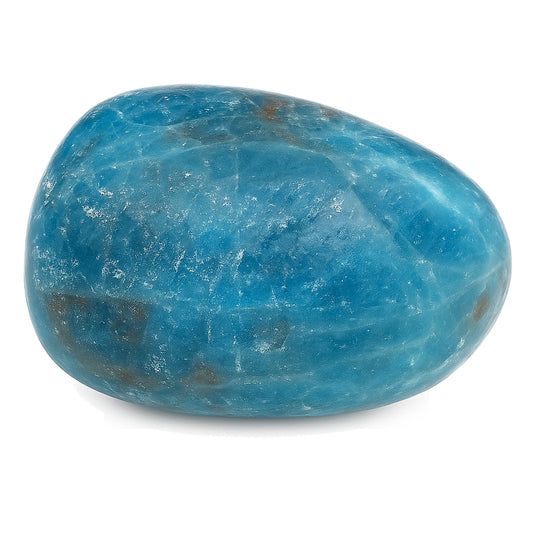
![[slot:PT01] PT01 polished](//lebensquelle-plus.de/cdn/shop/files/MAIN_polished_e33c19f8-1ca7-4ef0-a859-b109fed44dde_533x.jpg?v=1782816307) Apatite Tumbled Stone
Apatite Tumbled Stone- Regular price
- From €5,99
- Regular price
-
- Sale price
- From €5,99
- Unit price
- per
incl. VAT. -
Apatite Drop Pendant

 Apatite Drop Pendant
- Regular price
- €8,99
- Regular price
-
- Sale price
- €8,99
- Unit price
- per
incl. VAT. -
Apatite Mini Bead Bracelet | 4 mm
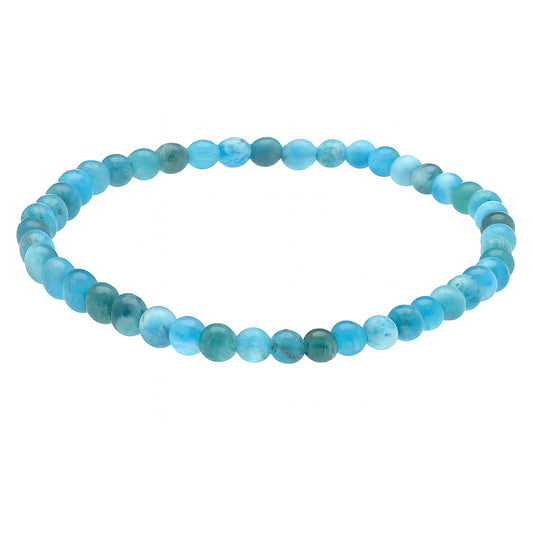
 Apatite Mini Bead Bracelet | 4 mm
- Regular price
- €9,99
- Regular price
-
- Sale price
- €9,99
- Unit price
- per
incl. VAT. -
Apatite | elastic bead ring−10%Wochenangebot
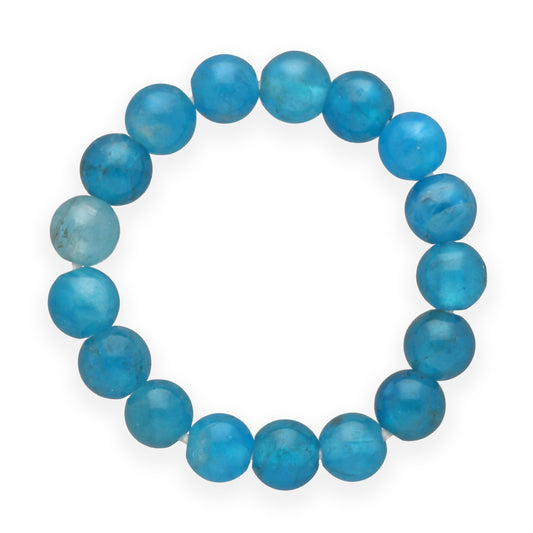
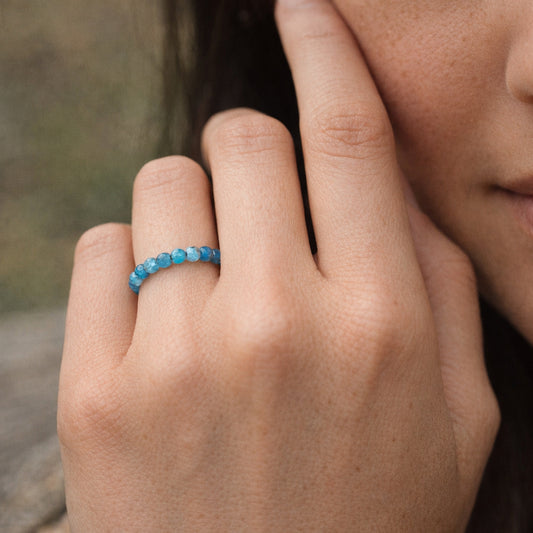 Apatite | elastic bead ring
- Regular price
- From €5,39
- Regular price
-
€5,99 - Sale price
- From €5,39
- Unit price
- per
incl. VAT. -
Apatite Mini Tumbled Stones
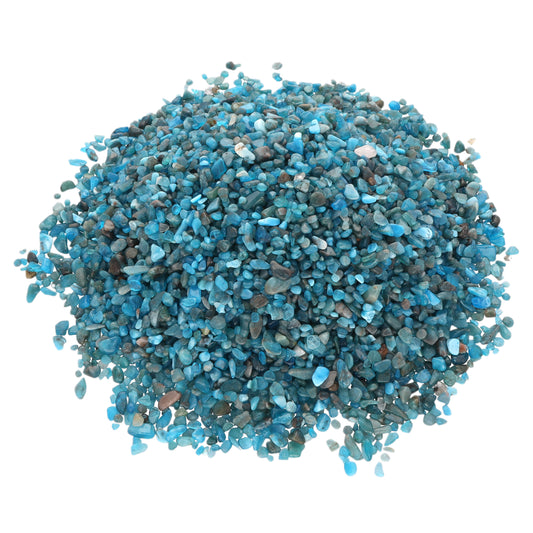
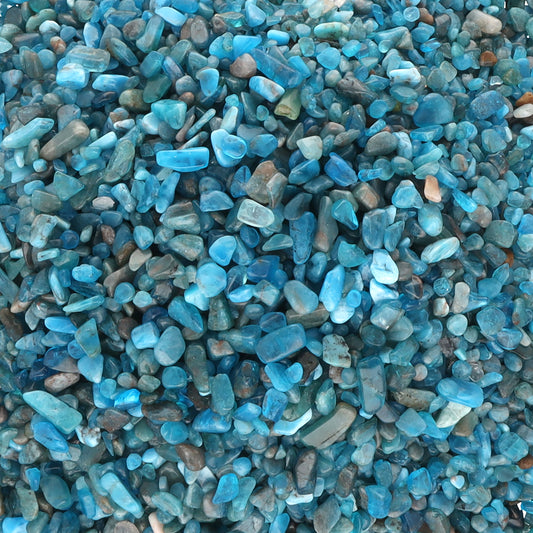 Apatite Mini Tumbled Stones
- Regular price
- From €9,99
- Regular price
-
- Sale price
- From €9,99
- Unit price
- per
incl. VAT. -
Apatite Beaded Bracelet | 6mm Beads
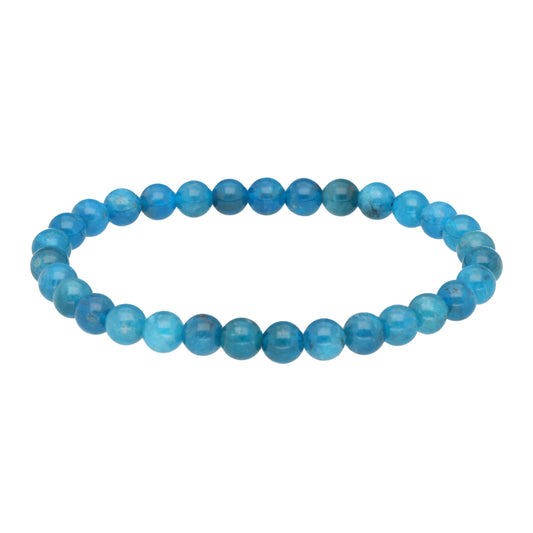
![[slot:PT01] PT01 polished](//lebensquelle-plus.de/cdn/shop/files/GEN_new_a180f8a6-1906-4b30-bab6-94bf93d37d95_533x.jpg?v=1787132371) Apatite Beaded Bracelet | 6mm Beads
Apatite Beaded Bracelet | 6mm Beads- Regular price
- €11,99
- Regular price
-
- Sale price
- €11,99
- Unit price
- per
incl. VAT. -
Apatite Donut Pendant | 30 mm Pendant + Cotton Cord

 Apatite Donut Pendant | 30 mm Pendant + Cotton Cord
- Regular price
- €11,99
- Regular price
-
- Sale price
- €11,99
- Unit price
- per
incl. VAT. -
Apatite Palm StoneNur noch 2 Stück
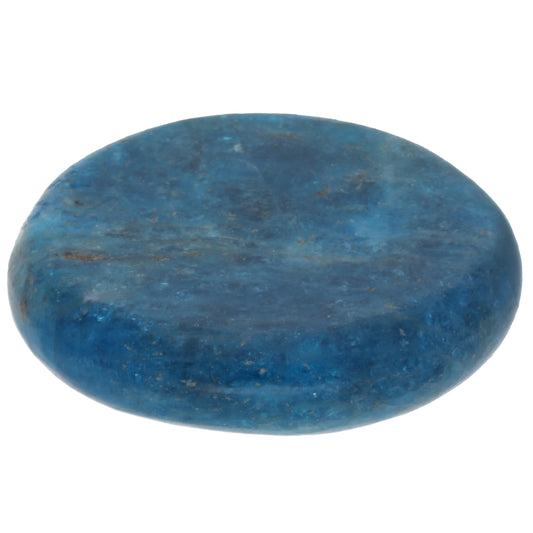
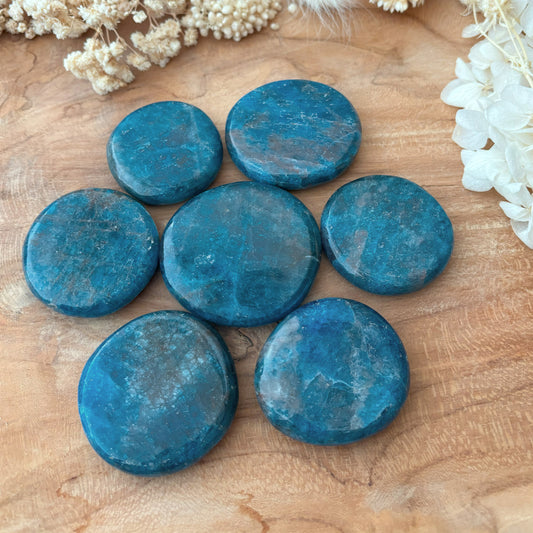 Apatite Palm Stone
- Regular price
- €9,99
- Regular price
-
- Sale price
- €9,99
- Unit price
- per
incl. VAT. -
Apatite Bead Necklace | Ø 4mm with 925 Silver Clasp | 45cmNur noch 3 Stück
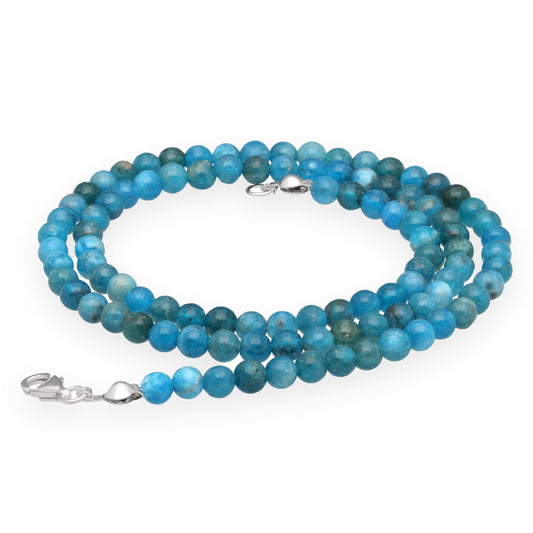
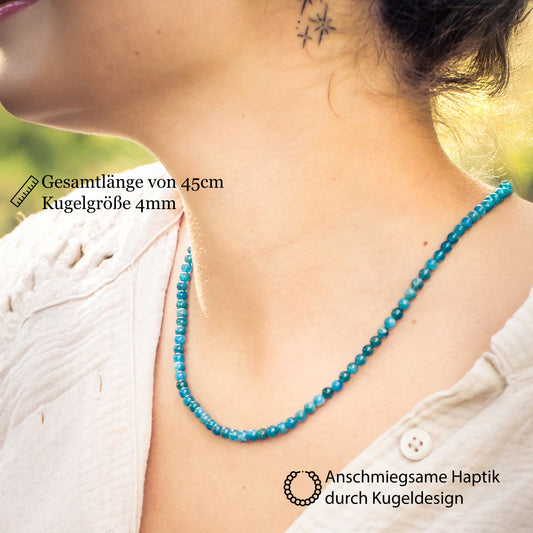 Apatite Bead Necklace | Ø 4mm with 925 Silver Clasp...
- Regular price
- €16,99
- Regular price
-
- Sale price
- €16,99
- Unit price
- per
incl. VAT. -
Apatite Bead Necklace | Ø 6 mm with Clasp | 45 cm
![[slot:MAIN] MAIN polished](//lebensquelle-plus.de/cdn/shop/files/SQUARE_new_2d027455-3a5c-4a77-ab8f-92530b889b27_533x.jpg?v=1787561674)
![[slot:PT01] PT01 polished](//lebensquelle-plus.de/cdn/shop/files/GEN_new_0b312a9b-9981-47cf-90ab-a61686942ecf_533x.jpg?v=1787560380) Apatite Bead Necklace | Ø 6 mm with Clasp |...
Apatite Bead Necklace | Ø 6 mm with Clasp |...- Regular price
- €26,99
- Regular price
-
- Sale price
- €26,99
- Unit price
- per
incl. VAT. -
Apatite 2 mm Faceted Bead Necklace | 45 cm + Silver Clasp
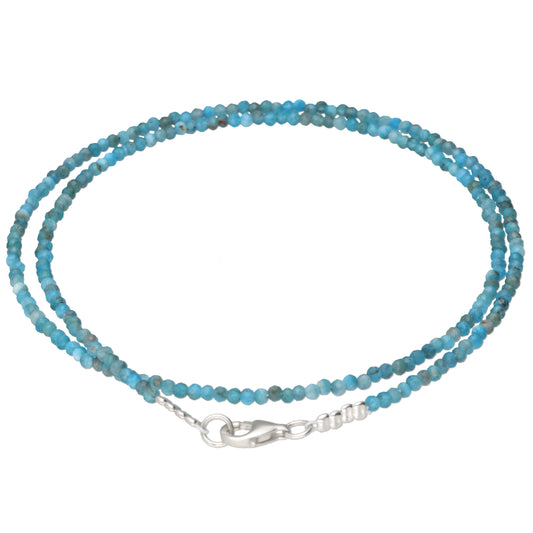
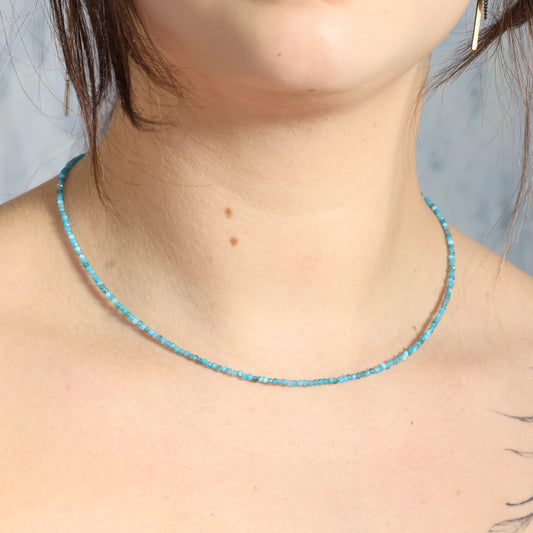 Apatite 2 mm Faceted Bead Necklace | 45 cm +...
- Regular price
- €19,99
- Regular price
-
- Sale price
- €19,99
- Unit price
- per
incl. VAT. -
Apatite Chip Necklace | 45cm with Clasp−15%Wochenangebot
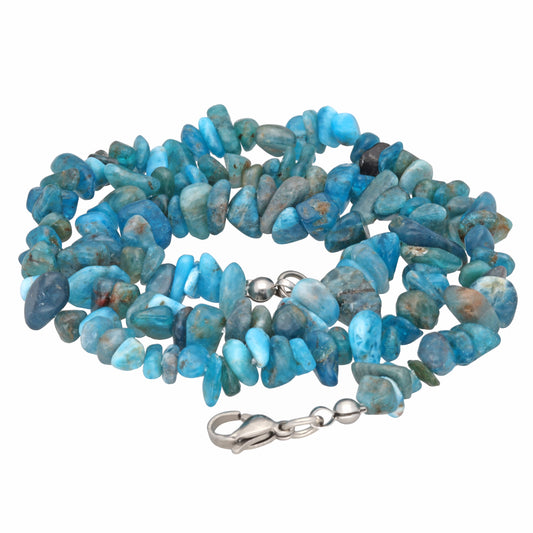
 Apatite Chip Necklace | 45cm with Clasp
- Regular price
- €10,19
- Regular price
-
€11,99 - Sale price
- €10,19
- Unit price
- per
incl. VAT.
![[slot:PT01] PT01 polished](http://lebensquelle-plus.de/cdn/shop/files/MAIN_polished_e33c19f8-1ca7-4ef0-a859-b109fed44dde_533x.jpg?v=1782816307)


![[slot:PT01] PT01 polished](http://lebensquelle-plus.de/cdn/shop/files/GEN_new_a180f8a6-1906-4b30-bab6-94bf93d37d95_533x.jpg?v=1787132371)


![[slot:MAIN] MAIN polished](http://lebensquelle-plus.de/cdn/shop/files/SQUARE_new_2d027455-3a5c-4a77-ab8f-92530b889b27_533x.jpg?v=1787561674)
![[slot:PT01] PT01 polished](http://lebensquelle-plus.de/cdn/shop/files/GEN_new_0b312a9b-9981-47cf-90ab-a61686942ecf_533x.jpg?v=1787560380)
