


Info about the stone
 SCORPIO
 ROOT CHAKRA
 WATER
WATER
 RHOMBIC
 TRIGONAL
 HÄRTE 5-6
 KEIN EDELSTEINWASSER
 SCORPIO
 ROOT CHAKRA
 WATER
WATER
 RHOMBIC
 TRIGONAL
BROWN
 HÄRTE 5-6
 KEIN EDELSTEINWASSER
-
SCORPIO
-
 ROOT CHAKRA
-
WATER
-
RHOMBIC
-
TRIGONAL
- BROWN
-
Not suitable for gemstone water

Meaning
Alleged effect
Mineralogie & Entstehung
Pflege & Reinigung
Verwechslungsgefahren & Qualität


-
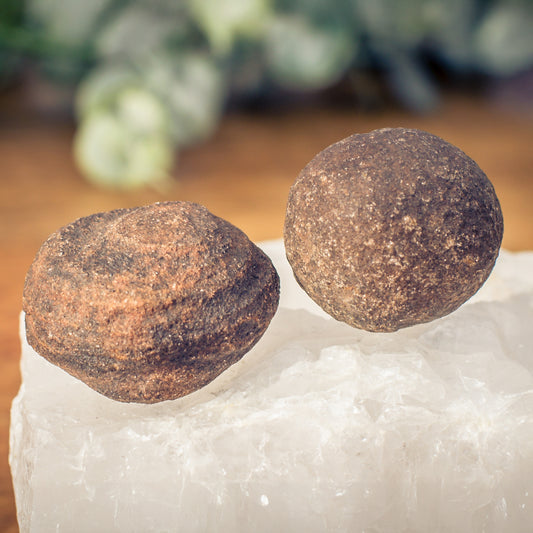
Moqui Marbles "Size L" 3.5 - 4.0 cm
![[slot:PT01] PT01 polished](//lebensquelle-plus.de/cdn/shop/files/SQUARE_new_7e016fed-b956-42fd-a6d4-86cd49253015_533x.jpg?v=1787722872)
Sold out
Moqui Marbles "Size L" 3.5 - 4.0 cm- Regular price
- €32,99
- Regular price
-
- Sale price
- €32,99
- Unit price
- per
incl. VAT. -
Moqui Marbles "Size M" 2.5 - 3.0 cm
![[slot:PT01] PT01 polished](//lebensquelle-plus.de/cdn/shop/files/dropupload_5936680f04_4fcc6716-fb1e-4acc-9b62-860c710cce75_533x.jpg?v=1787722930) Moqui Marbles "Size M" 2.5 - 3.0 cm
Moqui Marbles "Size M" 2.5 - 3.0 cm- Regular price
- €26,99
- Regular price
-
- Sale price
- €26,99
- Unit price
- per
incl. VAT. -
Moqui Marbles "Size S" 1,5 - 2,5 cmNur noch 3 Stück
![[slot:PT01] PT01 polished](//lebensquelle-plus.de/cdn/shop/files/dropupload_77cc38b7e6_c5128450-6724-417a-b58e-3c8d3169cc52_533x.jpg?v=1787722929) Moqui Marbles "Size S" 1,5 - 2,5 cm
Moqui Marbles "Size S" 1,5 - 2,5 cm- Regular price
- €22,99
- Regular price
-
- Sale price
- €22,99
- Unit price
- per
incl. VAT.
![[slot:PT01] PT01 polished](http://lebensquelle-plus.de/cdn/shop/files/SQUARE_new_7e016fed-b956-42fd-a6d4-86cd49253015_533x.jpg?v=1787722872)
![[slot:PT01] PT01 polished](http://lebensquelle-plus.de/cdn/shop/files/dropupload_5936680f04_4fcc6716-fb1e-4acc-9b62-860c710cce75_533x.jpg?v=1787722930)
![[slot:PT01] PT01 polished](http://lebensquelle-plus.de/cdn/shop/files/dropupload_77cc38b7e6_c5128450-6724-417a-b58e-3c8d3169cc52_533x.jpg?v=1787722929)