


Info about the stone
 PISCES
 CROWN CHAKRA
 WATER
WATER
 AMORPHOUS
 HÄRTE 5-6
 EDELSTEINWASSER ✓
 PISCES
 CROWN CHAKRA
 WATER
WATER
 AMORPHOUS
BLUE
 HÄRTE 5-6
 EDELSTEINWASSER ✓
-
PISCES
-
 CROWN CHAKRA
-
WATER
-
AMORPHOUS
- BLUE
-
Suitable for gemstone water

Meaning
Alleged effect
Mineralogie & Entstehung
Pflege & Reinigung
Verwechslungsgefahren & Qualität


-
Opal Glass Tumbled Stone
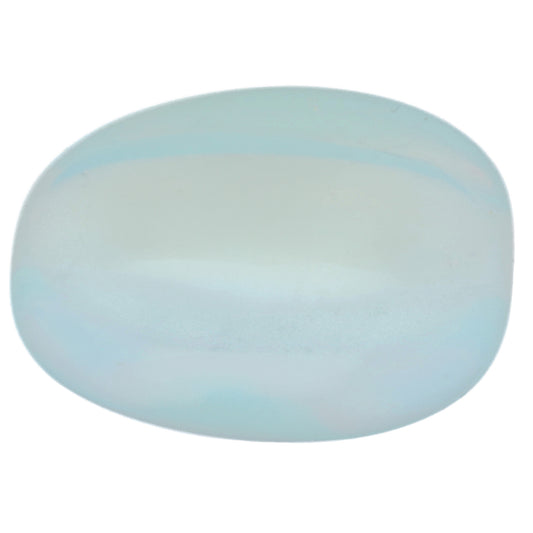
 Opal Glass Tumbled Stone
- Regular price
- From €4,99
- Regular price
-
- Sale price
- From €4,99
- Unit price
- per
incl. VAT. -
Opal Glass Chip Bracelet−10%Wochenangebot
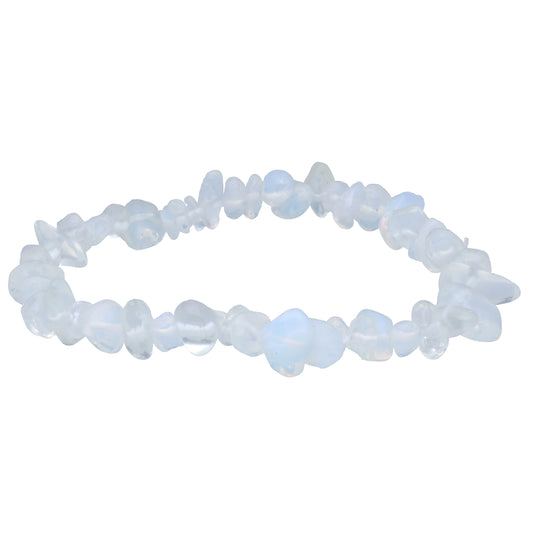
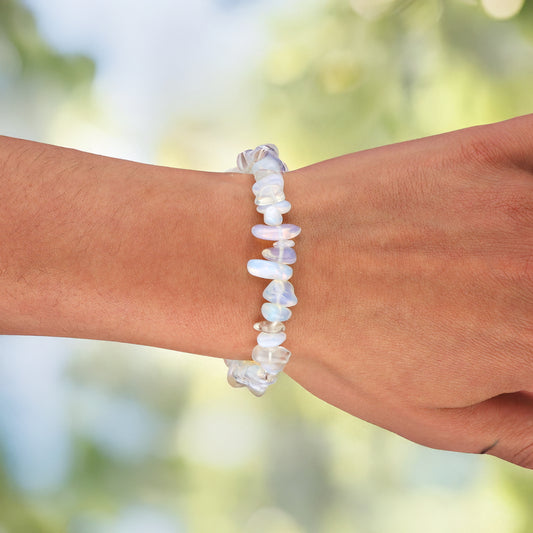 Opal Glass Chip Bracelet
- Regular price
- €5,39
- Regular price
-
€5,99 - Sale price
- €5,39
- Unit price
- per
incl. VAT. -
Opal Glass Drop Pendant
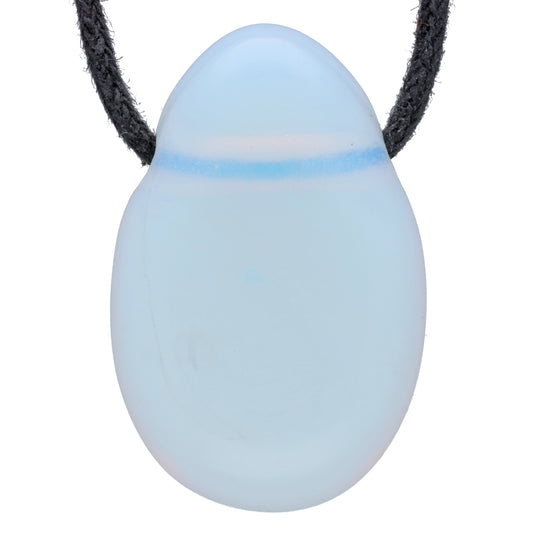
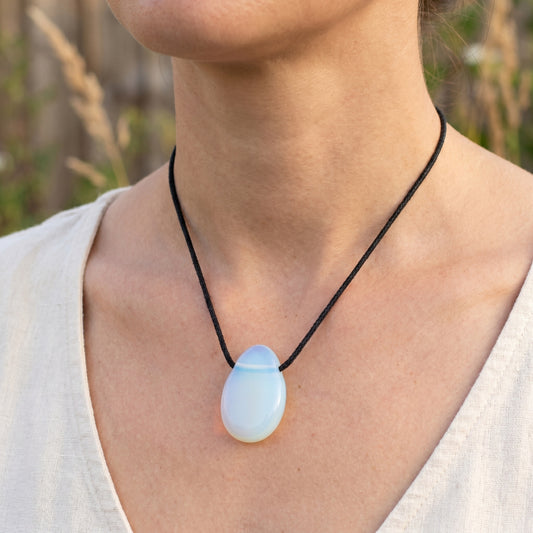 Opal Glass Drop Pendant
- Regular price
- €6,99
- Regular price
-
- Sale price
- €6,99
- Unit price
- per
incl. VAT. -
Opal Glass Angel
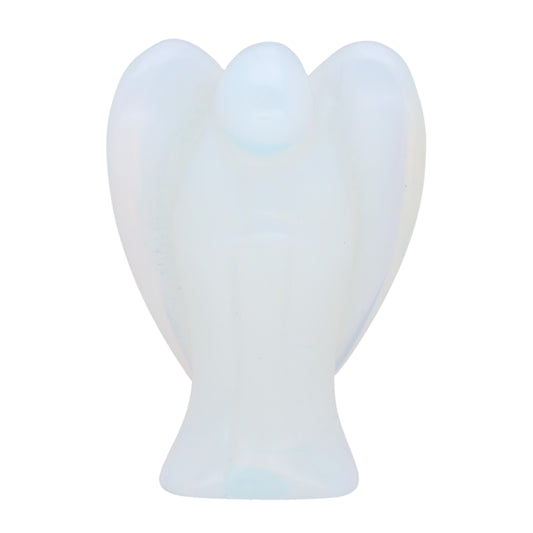
![[slot:PT01] PT01 polished](//lebensquelle-plus.de/cdn/shop/files/GEN_new_b8ec1f66-9c3d-4140-afcd-434954233cb9_533x.jpg?v=1787225895) Opal Glass Angel
Opal Glass Angel- Regular price
- €9,99
- Regular price
-
- Sale price
- €9,99
- Unit price
- per
incl. VAT. -
Opal Glass Heart | Palm Stone 2x2 cm−10%Wochenangebot
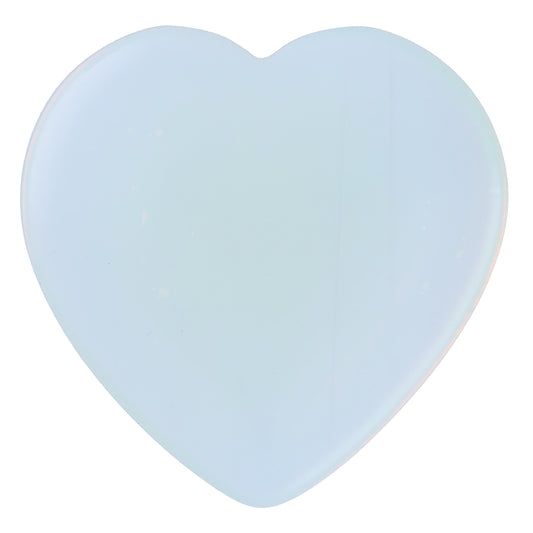 Opal Glass Heart | Palm Stone 2x2 cm
- Regular price
- €2,24
- Regular price
-
€2,49 - Sale price
- €2,24
- Unit price
- per
incl. VAT. -
Opal Glass | Double Point, Set | Silver-colored Eyelet
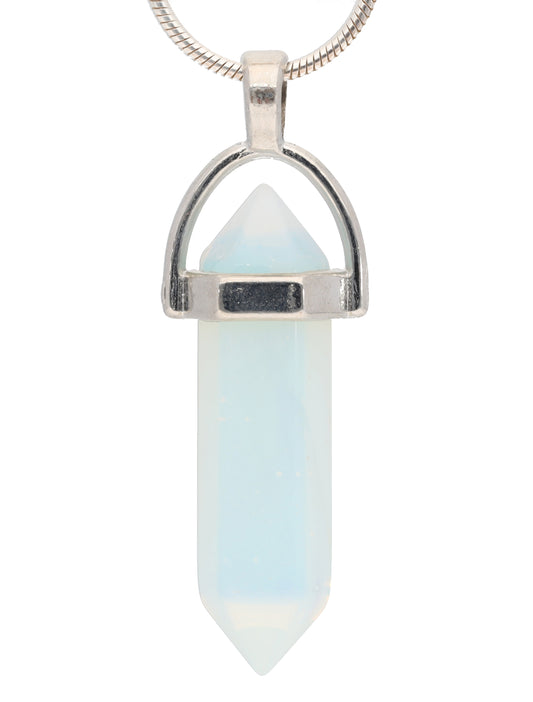
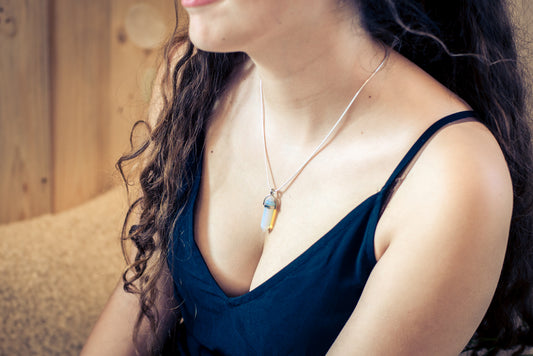 Opal Glass | Double Point, Set | Silver-colored Eyelet
- Regular price
- €5,99
- Regular price
-
- Sale price
- €5,99
- Unit price
- per
incl. VAT. -
Opal Glass Donut Pendant | 30 mm Pendant + Cotton Cord

![[slot:PT01] PT01 polished](//lebensquelle-plus.de/cdn/shop/files/GEN_new_827d3ab1-169b-4f65-9368-e0004868ff18_533x.jpg?v=1787305501) Opal Glass Donut Pendant | 30 mm Pendant + Cotton...
Opal Glass Donut Pendant | 30 mm Pendant + Cotton...- Regular price
- €6,99
- Regular price
-
- Sale price
- €6,99
- Unit price
- per
incl. VAT. -
Opal Glass Heart Pendant | 2x2 cm
![[slot:MAIN] MAIN polished](//lebensquelle-plus.de/cdn/shop/files/MAIN_polished_27592623-b5d7-469f-a315-6178653de27b_533x.jpg?v=1783063382)
![[slot:PT01] PT01 polished](//lebensquelle-plus.de/cdn/shop/files/GEN_new_c93ab549-5275-44bb-83f5-1fb68403506a_533x.jpg?v=1783062151) Opal Glass Heart Pendant | 2x2 cm
Opal Glass Heart Pendant | 2x2 cm- Regular price
- €4,99
- Regular price
-
- Sale price
- €4,99
- Unit price
- per
incl. VAT.

![[slot:PT01] PT01 polished](http://lebensquelle-plus.de/cdn/shop/files/GEN_new_b8ec1f66-9c3d-4140-afcd-434954233cb9_533x.jpg?v=1787225895)

![[slot:PT01] PT01 polished](http://lebensquelle-plus.de/cdn/shop/files/GEN_new_827d3ab1-169b-4f65-9368-e0004868ff18_533x.jpg?v=1787305501)
![[slot:MAIN] MAIN polished](http://lebensquelle-plus.de/cdn/shop/files/MAIN_polished_27592623-b5d7-469f-a315-6178653de27b_533x.jpg?v=1783063382)
![[slot:PT01] PT01 polished](http://lebensquelle-plus.de/cdn/shop/files/GEN_new_c93ab549-5275-44bb-83f5-1fb68403506a_533x.jpg?v=1783062151)
