


Info about the stone
 LIBRA
LIBRA
 ROOT CHAKRA
 AIR
AIR
 TRIGONAL
 HÄRTE 7
 EDELSTEINWASSER ✓
 LIBRA
LIBRA
 ROOT CHAKRA
 AIR
AIR
 TRIGONAL
GRAY
 HÄRTE 7
 EDELSTEINWASSER ✓
-
LIBRA
-
 ROOT CHAKRA
-
AIR
-
TRIGONAL
- GRAY
-
Suitable for gemstone water

Meaning
Alleged effect
Mineralogie & Entstehung
Pflege & Reinigung
Verwechslungsgefahren & Qualität


-
Smoky Quartz Tumbled Stone
![[slot:MAIN] MAIN polished](//lebensquelle-plus.de/cdn/shop/files/Rauchquarz_TSML_einzeln_22ca94ab-158f-4c3a-ac20-4b8f12204293_533x.jpg?v=1791894946)
![[slot:PT01] PT01 polished](//lebensquelle-plus.de/cdn/shop/files/Rauchquarz_TSML_viele_841ca0d4-5251-4a51-b03e-8e539fcaf8d6_533x.jpg?v=1791894963) Smoky Quartz Tumbled Stone
Smoky Quartz Tumbled Stone- Regular price
- From €4,99
- Regular price
-
- Sale price
- From €4,99
- Unit price
- per
incl. VAT. -
Smoky Quartz Mini Bead Bracelet | 4 mm
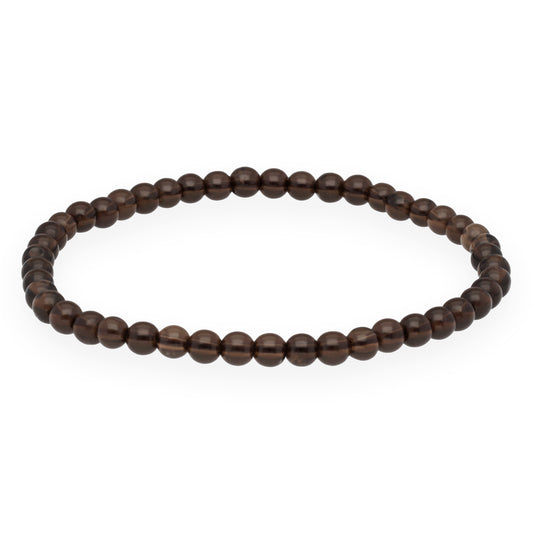
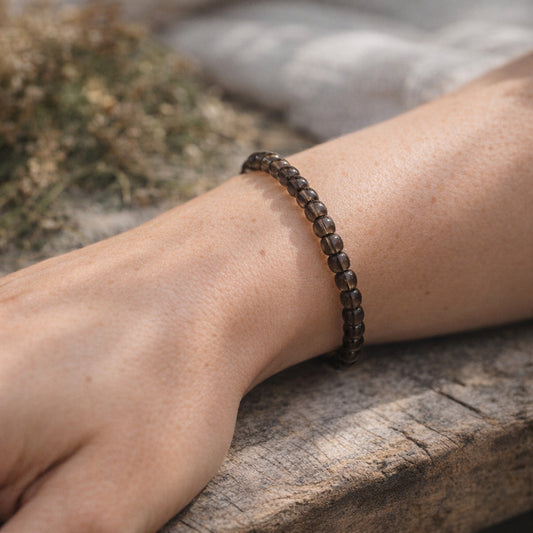 Smoky Quartz Mini Bead Bracelet | 4 mm
- Regular price
- €7,99
- Regular price
-
- Sale price
- €7,99
- Unit price
- per
incl. VAT. -
Smoky Quartz Drop Pendant

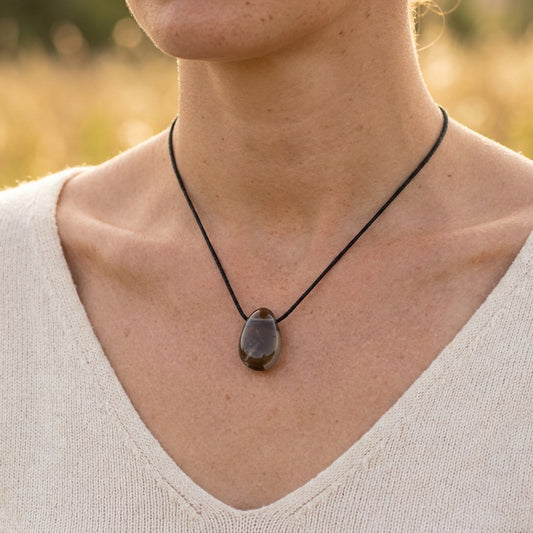 Smoky Quartz Drop Pendant
- Regular price
- €8,99
- Regular price
-
- Sale price
- €8,99
- Unit price
- per
incl. VAT. -
Smoky Quartz Water Stones
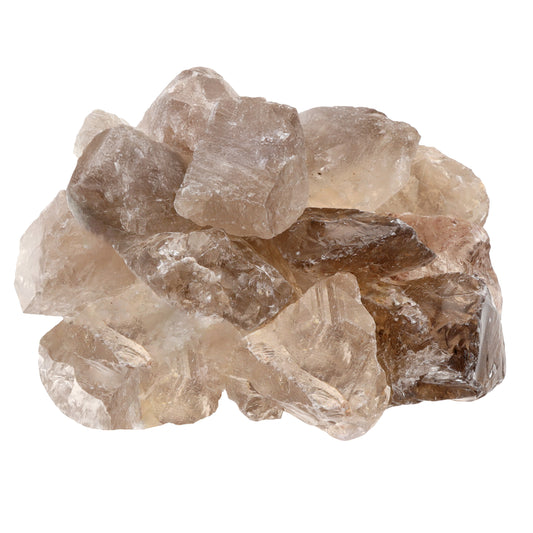
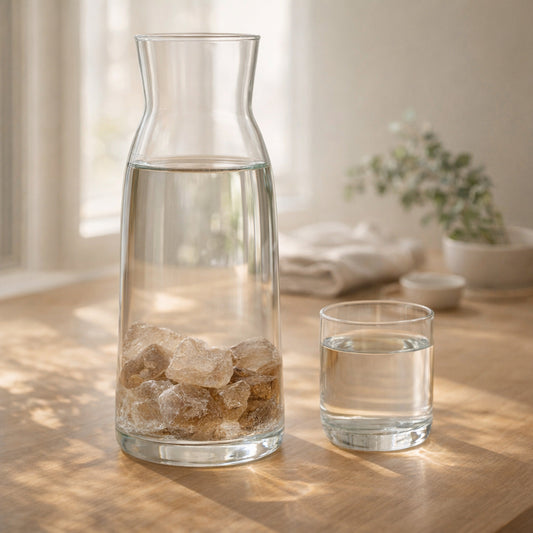 Smoky Quartz Water Stones
- Regular price
- From €7,99
- Regular price
-
- Sale price
- From €7,99
- Unit price
- per
incl. VAT. -
Smoky Quartz Chip Bracelet
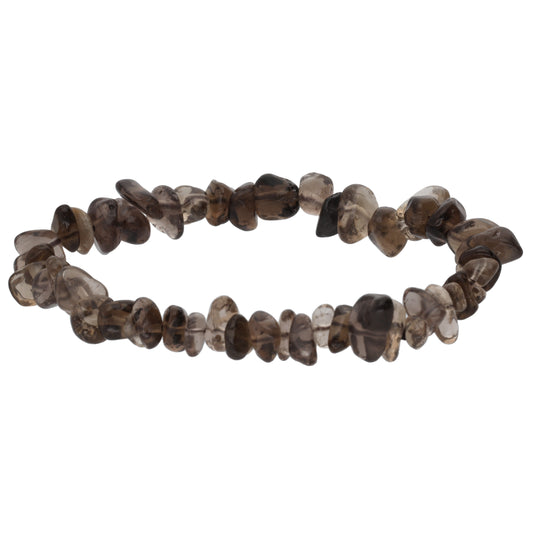
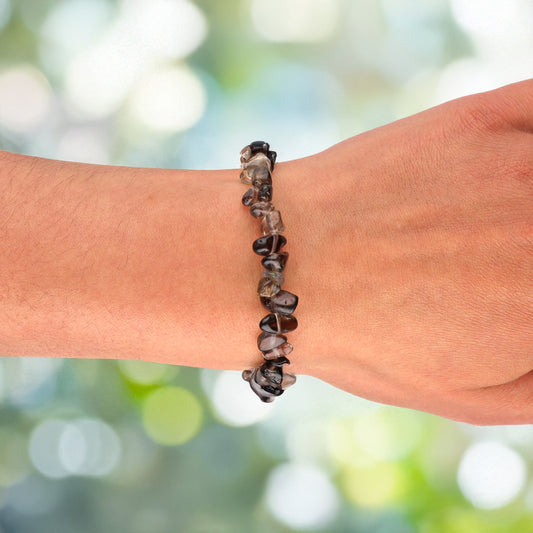 Smoky Quartz Chip Bracelet
- Regular price
- €6,99
- Regular price
-
- Sale price
- €6,99
- Unit price
- per
incl. VAT. -
Smoky Quartz Palm Stone
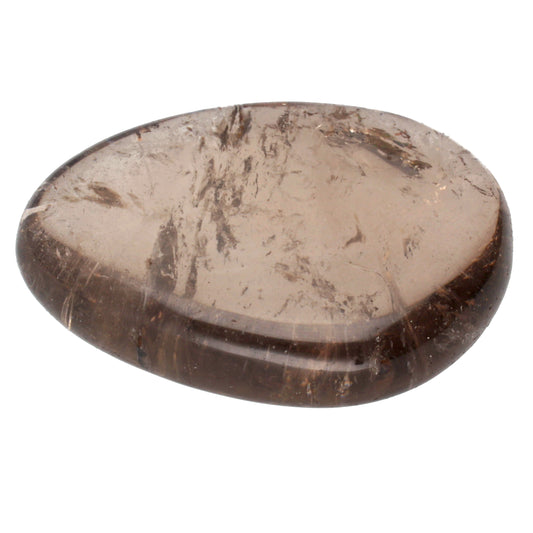
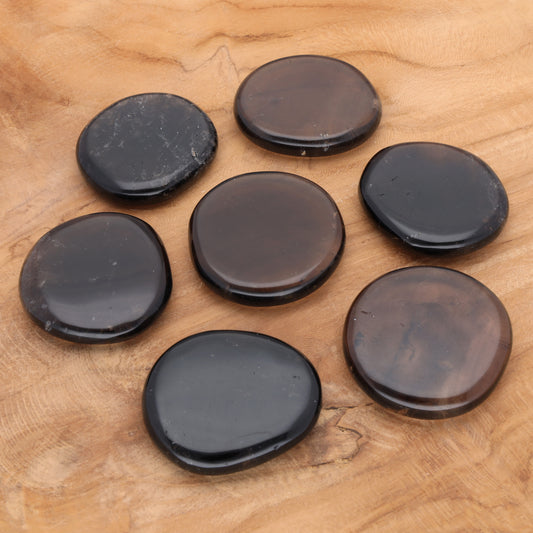 Smoky Quartz Palm Stone
- Regular price
- €6,99
- Regular price
-
- Sale price
- €6,99
- Unit price
- per
incl. VAT. -
Smoky Quartz Mini Tumbled Stones


Sold out
Smoky Quartz Mini Tumbled Stones- Regular price
- From €6,99
- Regular price
-
- Sale price
- From €6,99
- Unit price
- per
incl. VAT. -
Smoky Quartz Chip Necklace | 45 cm + Clasp
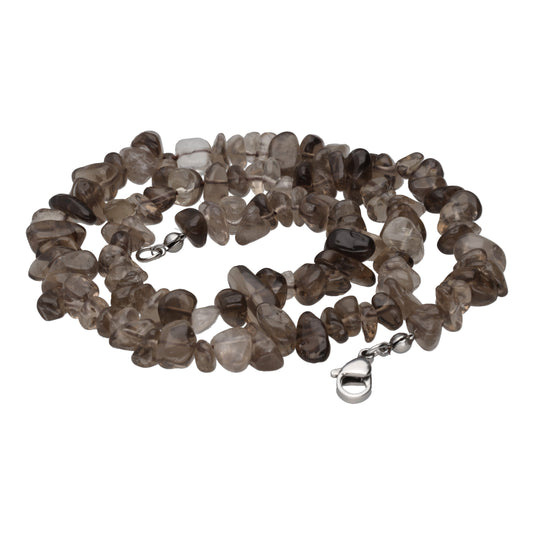
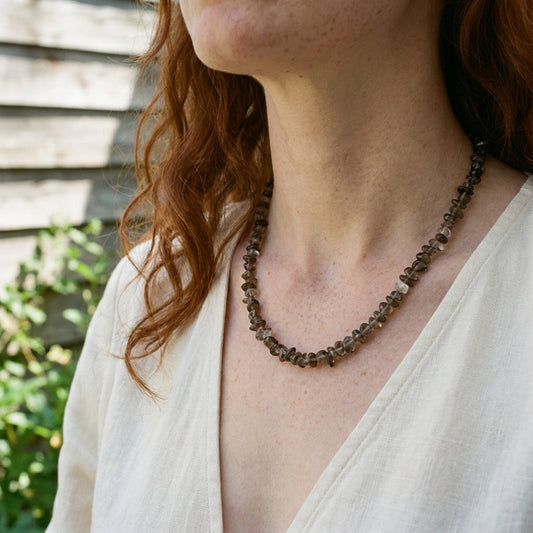 Smoky Quartz Chip Necklace | 45 cm + Clasp
- Regular price
- €8,99
- Regular price
-
- Sale price
- €8,99
- Unit price
- per
incl. VAT. -
Smoky Quartz Donut Pendant | 30 mm Pendant + Cotton Cord
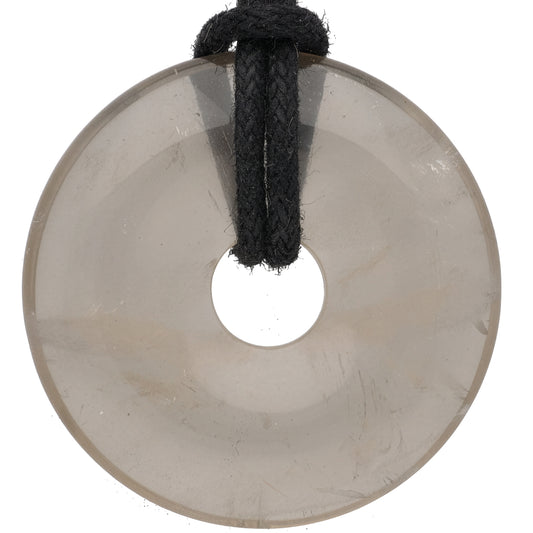
![[slot:PT01] PT01 polished](//lebensquelle-plus.de/cdn/shop/files/GEN_new_3f1e7fdb-4dab-4a25-b697-28624f3e745d_533x.jpg?v=1786948392) Smoky Quartz Donut Pendant | 30 mm Pendant + Cotton...
Smoky Quartz Donut Pendant | 30 mm Pendant + Cotton...- Regular price
- €8,99
- Regular price
-
- Sale price
- €8,99
- Unit price
- per
incl. VAT. -
Smoky Quartz Stud Earrings 6 mm | 925 Sterling Silver−10%Wochenangebot
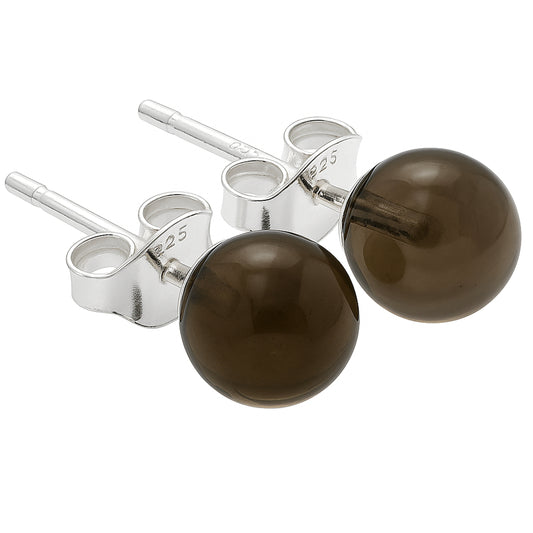
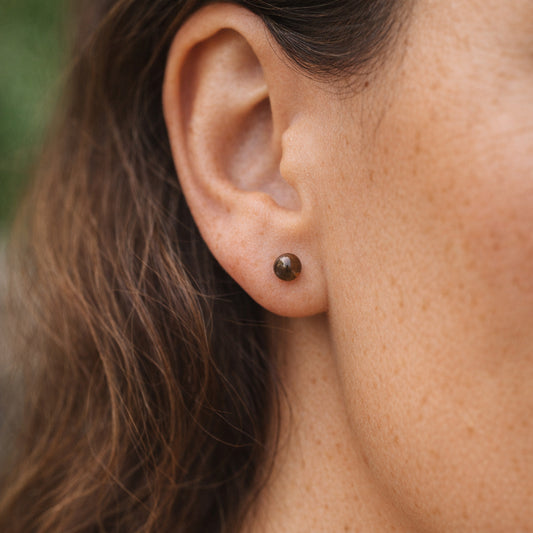 Smoky Quartz Stud Earrings 6 mm | 925 Sterling Silver
- Regular price
- €10,79
- Regular price
-
€11,99 - Sale price
- €10,79
- Unit price
- per
incl. VAT. -
Smoky Quartz Bead Bracelet | 6 mm

 Smoky Quartz Bead Bracelet | 6 mm
- Regular price
- €8,99
- Regular price
-
- Sale price
- €8,99
- Unit price
- per
incl. VAT. -
Smoky Quartz Bead Bracelet | 8 mm
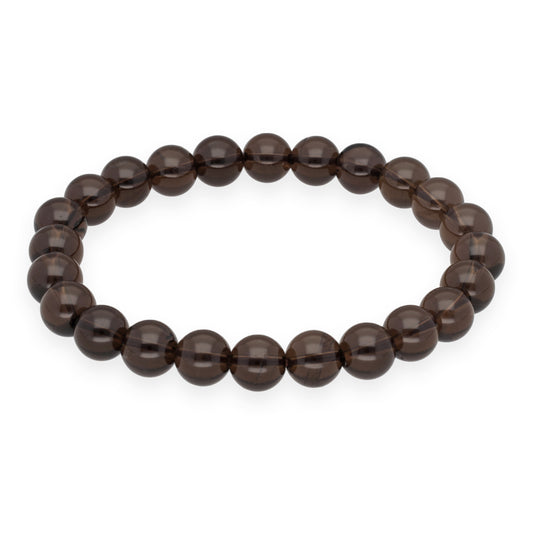
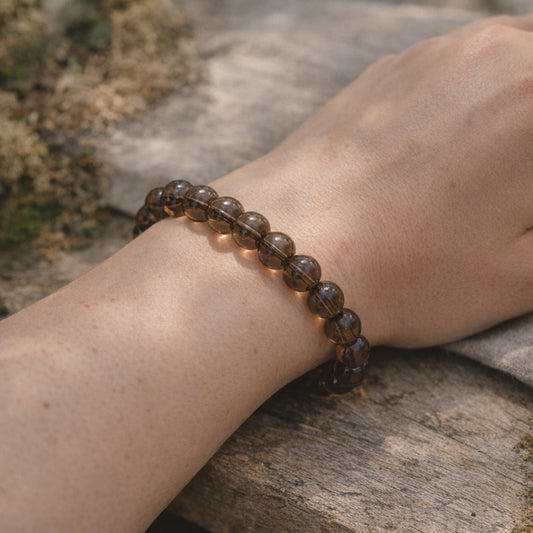 Smoky Quartz Bead Bracelet | 8 mm
- Regular price
- €11,99
- Regular price
-
- Sale price
- €11,99
- Unit price
- per
incl. VAT. -
Smoky Quartz | Double Point, Set | Silver-Colored Eyelet
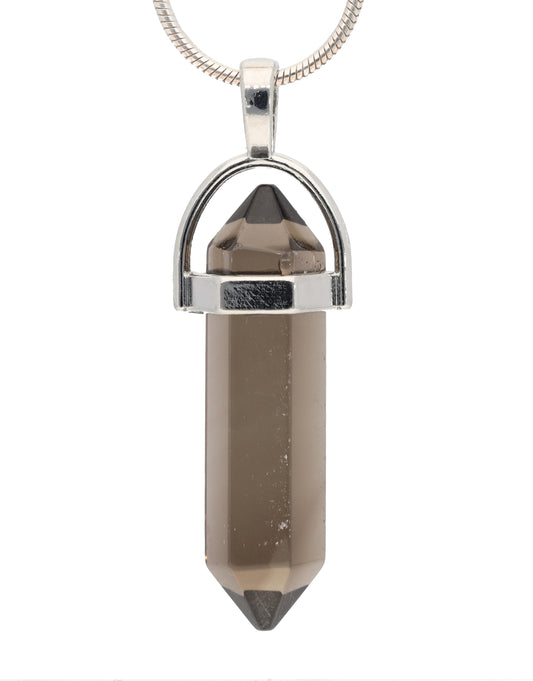
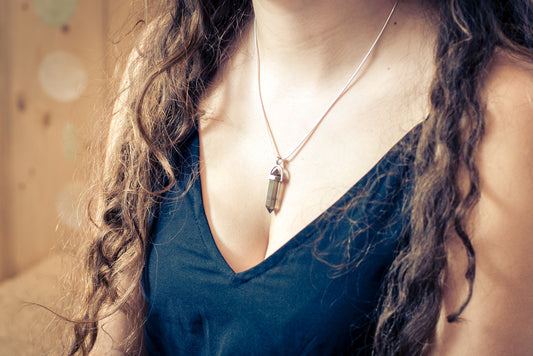
Sold out
Smoky Quartz | Double Point, Set | Silver-Colored Eyelet- Regular price
- €5,99
- Regular price
-
- Sale price
- €5,99
- Unit price
- per
incl. VAT. -
Smoky Quartz Bead Necklace | Ø 4mm with 925 Silver Clasp | 45cm
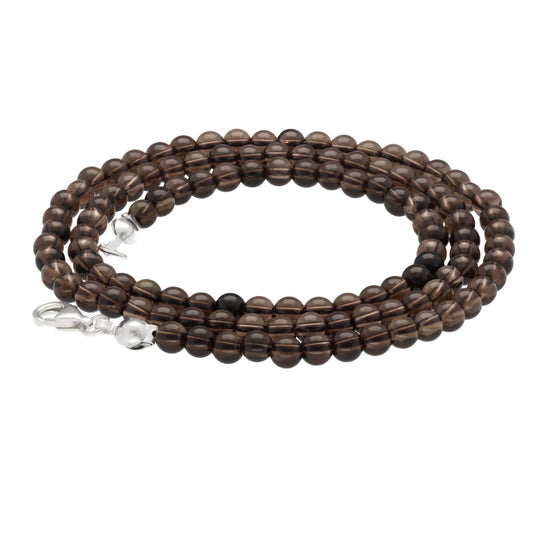
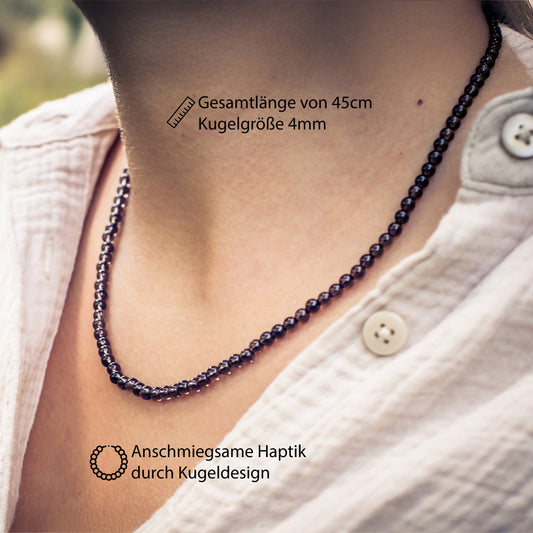 Smoky Quartz Bead Necklace | Ø 4mm with 925 Silver...
- Regular price
- €22,99
- Regular price
-
- Sale price
- €22,99
- Unit price
- per
incl. VAT. -
Smoky Quartz Solitaire Pendant with Chain | Gold-Plated 925 Silver | 45 cm
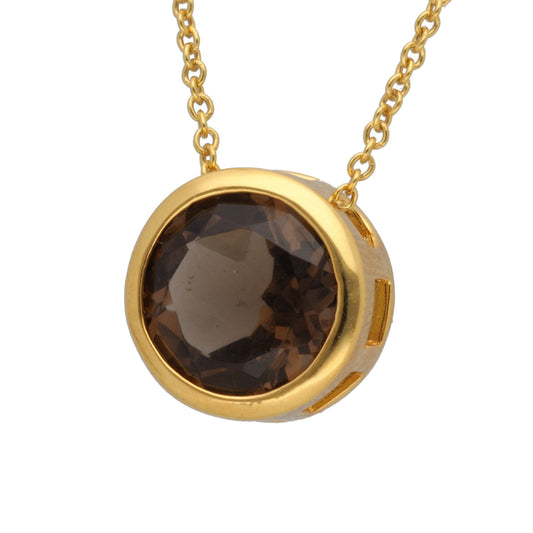

Sold out
Smoky Quartz Solitaire Pendant with Chain | Gold-Plated 925 Silver...- Regular price
- €56,99
- Regular price
-
- Sale price
- €56,99
- Unit price
- per
incl. VAT. -
Smoky Quartz Solitaire Pendant with Chain | 925 Silver | 45 cmNur noch 3 Stück
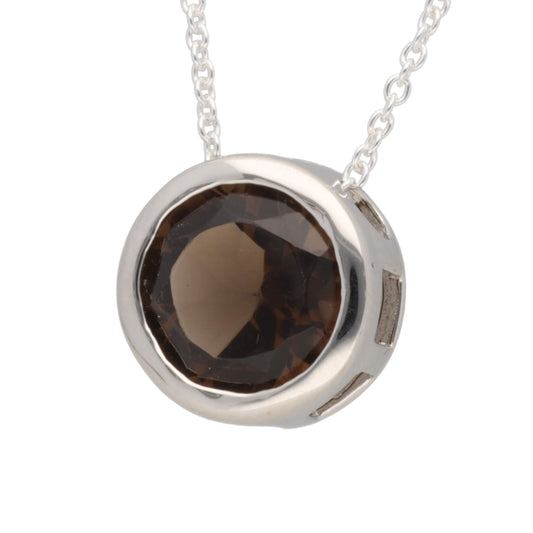
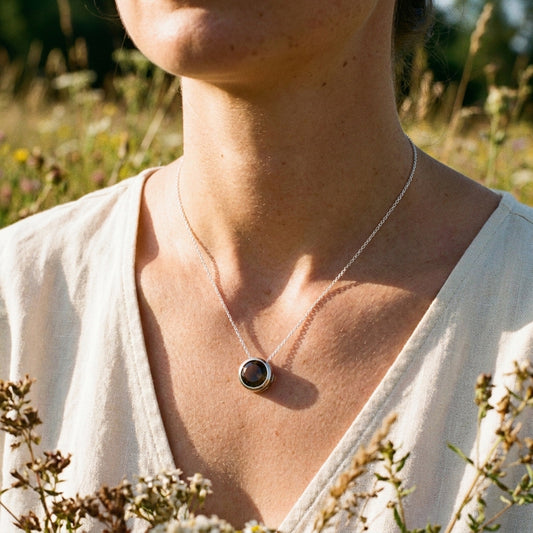 Smoky Quartz Solitaire Pendant with Chain | 925 Silver |...
- Regular price
- €57,99
- Regular price
-
- Sale price
- €57,99
- Unit price
- per
incl. VAT.
![[slot:MAIN] MAIN polished](http://lebensquelle-plus.de/cdn/shop/files/Rauchquarz_TSML_einzeln_22ca94ab-158f-4c3a-ac20-4b8f12204293_533x.jpg?v=1791894946)
![[slot:PT01] PT01 polished](http://lebensquelle-plus.de/cdn/shop/files/Rauchquarz_TSML_viele_841ca0d4-5251-4a51-b03e-8e539fcaf8d6_533x.jpg?v=1791894963)


![[slot:PT01] PT01 polished](http://lebensquelle-plus.de/cdn/shop/files/GEN_new_3f1e7fdb-4dab-4a25-b697-28624f3e745d_533x.jpg?v=1786948392)


