



The Aventurine is the green lucky stone of serenity — gently shimmering, calming, a true optimist among healing stones. In crystal healing, it is considered a stone of the heart, inner peace, and a confident outlook on life. In this guide, you’ll find everything about the supposed effects of Aventurine on the mind, body, and chakras, plus how to use it, care for it, and the most common questions from our store in Nümbrecht.
Aventurine — quick facts at a glance
| Mineral class | Oxide / quartz group (SiO₂ with fuchsite mica) |
| Color | green, sparkling (also blue, red, brown) — the “aventurine effect” |
| Hardness (Mohs) | 7 out of 10 |
| Crystal system | trigonal |
| Chakra | Heart chakra (Anahata) |
| Zodiac sign | Taurus (main), Cancer, Aries |
| Element | Earth / Water |
| Suitable for gemstone water | Yes ✓ |
| Sunlight | ⚠️ May fade in prolonged sun — moonlight is gentler |
| Main sources | India (main producer), Brazil, Russia, Tanzania |
What is Aventurine? Mineralogy and origin
Aventurine is a green sparkling variety of quartz. The characteristic shimmer — the so-called aventurine effect or aventurescence — is caused by tiny embedded mica flakes, usually fuchsite (a chromium-bearing mica that also gives the stone its green color). In red or brown aventurine, the flakes are hematite or goethite instead.
The name comes — curiously enough — from a mistake: In the 18th century, Venetian glassmakers accidentally dropped copper shavings into molten glass. They called the sparkling result “a ventura” (by chance). When a natural stone with a similar sparkle was later found, the name was transferred to it.
The most important deposits are in India (the classic rich green material), Brazil, and Russia. With a Mohs hardness of 7, Aventurine is durable and well suited for everyday jewelry use.
Meaning & history
In ancient Tibet, Aventurine was a valued stone — it was placed in the eyes of statues to symbolize their “vision” and wisdom. In China, green Aventurine was considered a stone of prosperity and was fashioned into seals and bowls.
In European tradition, Aventurine is comparatively young — it only became known through the Venetian glass anecdote. In modern crystal healing, however, it has secured a firm place: as the gentle lucky and heart stone that doesn’t overstimulate, but calms.
Today, Aventurine is considered one of the most beginner-friendly stones — affordable, durable, mild in effect, and versatile in use.
Supposed effect of Aventurine on the psyche
When someone asks us for a stone for serenity, optimism, or a calmer way of dealing with stress, Aventurine is one of the first recommendations. In crystal healing, the following effects are attributed to it:
- Serenity & inner peace: Aventurine is said to gently release nervous tension, restlessness, and inner pressure — without making you tired.
- Optimism & confidence: Considered a “lucky stone” — said to encourage a positive, hopeful outlook.
- Opening the heart & compassion: As a heart chakra stone, it is traditionally associated with emotional warmth and empathy.
- Stress reduction: Said to help you respond more calmly to strain and not take everything personally.
- Patience & letting go of anger: Used especially for irritability and impatience — said to strengthen the “long fuse.”
- Ease in making decisions: Said to help recognize opportunities and seize them courageously, yet calmly.
Aventurine is therefore especially suitable for phases in which stress, irritability, pessimism, or decision pressure are an issue — and for anyone who generally wants a little more lightness.
Supposed effect of Aventurine on the body
In traditional crystal healing, Aventurine is attributed the following physical effects — these claims come from traditional descriptions and are not a substitute for medical diagnosis or treatment.
- Heart & circulation: Traditionally associated with a calming, regulating effect on heart rhythm and blood pressure.
- Skin & allergies: Classically placed on skin irritations, rashes, and allergic reactions.
- Sleep: On the bedside table, it is said to promote calmer, more relaxed sleep.
- Nervous system: Described as having a relaxing effect on the autonomic nervous system.
- Regeneration: Said to support the recovery phase after illness or strain.
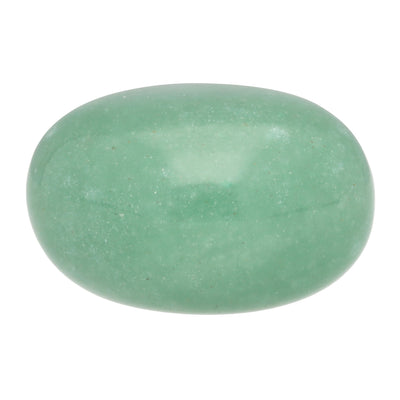
Aventurine is well suited for gemstone water — place 2–3 cleaned water stones in a 1.5-liter carafe and let them steep for at least 1 hour. View Aventurine water stones and tumbled stones ↗

Aventurine and the chakras
In chakra teachings, Aventurine is assigned to the heart chakra (Anahata) — the energy center at chest level that stands for love, compassion, emotional healing, and serenity. The green color is the classic heart chakra color.
In practice, Aventurine is placed directly on the heart during meditation — it is said to help release emotional baggage and find a calm, confident basic mood. Worn as jewelry at heart level, it is also said to unfold its effect particularly well according to crystal-healing tradition.
Aventurine & the 7 main chakras
Aventurine is a classic heart chakra stone — it is said to gently open the energy center for love, serenity, and emotional healing.
Aventurine and the zodiac signs
Astrologically, Aventurine is the main stone for Taurus — the earth-connected, pleasure-loving Venus sign. It is said to help Taurus combine its natural calm with openness to new things.
As a secondary stone, it is for Cancer (emotional balance) and Aries (patience, serenity as a counterbalance to fire). As a gentle, universal serenity stone, however, Aventurine suits every zodiac sign.
Using Aventurine in everyday life
1. As jewelry near the heart
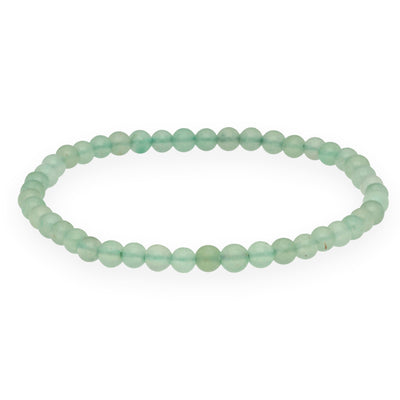
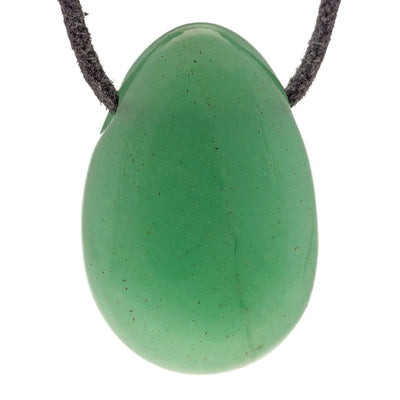
An Aventurine pendant at heart level or a bracelet is the most popular use. Durable (Mohs 7), uncomplicated, suitable for all-day wear — especially recommended for people with stressful everyday lives.
2. As a gemstone water stone
Aventurine is well suited for gemstone water. The water remains neutral in taste, but is said to absorb a gently calming, “heart-warming” energy.
3. In meditation — placed on the heart
Place Aventurine on the center of the chest during meditation or hold it in your left hand. It is said to help release anger and tension and find a calm basic mood.
4. On the desk or bedside table
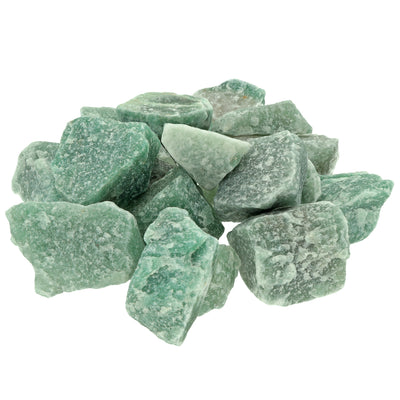
An Aventurine rough stone or tumbled stone in the work or sleeping area is said to make the atmosphere more relaxed — popular with people who find it hard to “switch off.”
Green Aventurine bei Lebensquelle Plus
Echte Naturqualität — versandfertig aus Waldbröl, geprüfter Fachhandel.
Cleaning and charging Aventurine
Clean & charge Aventurine
Two steps, one ritual — Aventurine is robust and easy to care for.
Discharge
Clear water — rinse under lukewarm running tap water for 1–2 minutes. Aventurine is durable with Mohs 7.
Alternatives: smudging (sage/Palo Santo), or overnight on hematite tumbled stones.
Charge
Moonlight — place by the window on a full moon night. Gentler than sun, which can cause the green to fade over time.
Alternative: on a clear quartz cluster. Short periods of sun are okay, but not for hours.
⚠️ No salt. Avoid prolonged direct sunlight — the green fuchsite content can fade.
Recognizing authenticity
Aventurine is rarely counterfeited, but it is occasionally confused with:
- Green glass (“Goldfluss” relative): Artificial aventurine glass sparkles too evenly and intensely. Natural stone has a more irregular, subtler shimmer.
- Dyed quartz: Sometimes pale green quartz is dyed — but it lacks the typical mica shimmer.
- Amazonite: Often confused because of its green color — but it is a different mineral (feldspar), duller and without sparkle.
Real Aventurine shows a fine, irregular sparkle from within — clearly visible when turned in the light. At Lebensquelle Plus, Aventurine comes from verified Indian natural quality.
Combining Aventurine with other stones
- Aventurine + Rose Quartz — both heart chakra stones. Aventurine brings serenity, Rose Quartz emotional depth.
- Aventurine + Amethyst — serenity meets clarity — a good combination for stress with mental overstimulation.
- Aventurine + Clear Quartz — Clear Quartz amplifies the gentle Aventurine effect.
- Aventurine + Citrine — both optimistic — said to combine joy of life and confidence.
Frequently asked questions about the effects of Aventurine
01 What effect does Aventurine have on the psyche? +
In crystal healing, Aventurine is said to promote serenity, optimism, and inner peace. It is considered a gentle lucky stone — said to have a balancing effect on stress, irritability, and pessimism. These effects are not scientifically proven.
02 Which chakra is Aventurine assigned to? +
Aventurine is a classic heart chakra stone (Anahata) — it is said to gently open the energy center for love, serenity, and emotional healing.
03 Which zodiac sign is Aventurine for? +
Aventurine is the main stone for Taurus and a secondary stone for Cancer and Aries. As a gentle, universal serenity stone, however, it suits every zodiac sign.
04 What is the aventurine effect? +
The characteristic sparkle of Aventurine is called the aventurine effect or aventurescence. It is caused by tiny embedded mica flakes (usually fuchsite) that reflect light.
05 How do you clean Aventurine properly? +
Aventurine can be discharged under running, lukewarm water (Mohs 7, durable). Recharge gently in moonlight or on a clear quartz cluster. No salt, and avoid prolonged direct sunlight — the green may fade.
06 Can I put Aventurine in drinking water? +
Yes, Aventurine is well suited for gemstone water. Place 2–3 cleaned water stones in a 1.5-liter carafe and let them steep for at least 1 hour.
07 Does Aventurine fade in the sun? +
With long, direct sunlight, the green fuchsite content can fade over time. Short periods of sun are not a problem — but moonlight is the gentler choice for charging.
08 How can I tell if my Aventurine is real? +
Real Aventurine shows a fine, irregular sparkle from within. Artificial aventurine glass sparkles too evenly and intensely. Amazonite (often confused with it) is dull and does not sparkle at all.
09 Which stones go well with Aventurine? +
Aventurine harmonizes especially well with Rose Quartz (both heart chakra), Amethyst (serenity + clarity), Clear Quartz (amplification), and Citrine (shared optimism).
10 Is Aventurine suitable as a gift? +
Yes — Aventurine is an ideal beginner stone and a classic lucky-stone gift: affordable, durable, mild in effect. Popular for starting a new phase of life, for exams, or simply as a little pick-me-up.
Conclusion
Aventurine is the gentle green lucky stone — calm, optimistic, uncomplicated. If you’re looking for a stone for more peace in everyday life, a more relaxed way of dealing with stress, or simply a little more lightness, this is the right choice. As jewelry, a water stone, or a meditation stone, Aventurine is one of the most rewarding healing stones of all.
In our Aventurine range ↗ you’ll find rough stones, tumbled stones, water stones, and jewelry in verified natural quality — ready to ship from Waldbröl or directly on site in our store in Nümbrecht.
Important note: The effects described here come from traditional crystal healing and are not scientifically proven. They do not replace medical diagnosis or treatment. If you have health concerns, please consult a doctor.
Further gemstone guides
- Clear Quartz effect — meaning, use & cleansing
- Amethyst effect — meaning, use & cleansing
- Clean and charge gemstones — the easy way
- Rose Quartz effect — the second great heart stone
- View all Aventurine products