


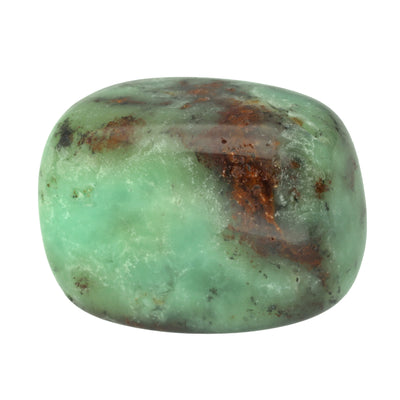
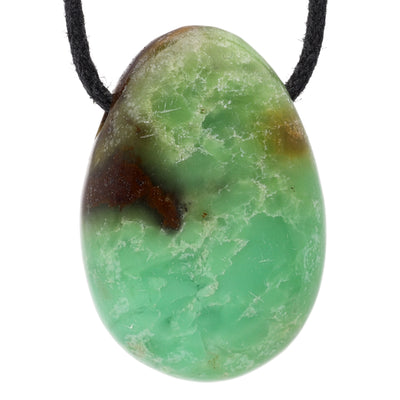
Chrysoprase shines in a fresh, rich apple green — with the typically soft, almost waxy sheen of a fine-grained chalcedony. In crystal healing, it is considered the stone of trust, heart opening, and letting go. In this guide, you’ll find everything about the purported effects of chrysoprase, its meaning, uses, and proper care (no sunlight!) — compiled by a specialist retailer.
Chrysoprase — quick profile at a glance
| Mineral class | Oxide — chalcedony (microcrystalline quartz, SiO₂), nickel-bearing |
| Color | apple green to yellowish green, translucent to opaque |
| Hardness (Mohs) | 6.5 to 7 — robust & suitable for everyday use |
| Crystal system | trigonal (microcrystalline) |
| Chakra | Heart chakra (Anahata) |
| Zodiac sign | Libra (primary), Taurus |
| Element | Earth |
| Special feature | Color comes from nickel — the most valuable green chalcedony |
| Suitable for gemstone water | Suitable (robust) — natural, polished stones |
| Sunlight | Use with caution — do not charge in the sun, UV light permanently lightens the color |
| Main sources | Australia, Poland, Tanzania, Brazil, Kazakhstan |
What is chrysoprase? Mineralogy and origin
Chrysoprase is the green variety of chalcedony — microcrystalline quartz (SiO₂) with a Mohs hardness of 6.5 to 7. This makes it robust and suitable for everyday use. Its characteristic apple green comes from the finest nickel compounds in the crystal structure — not chromium or copper, as is often assumed.
Typical features are the soft, waxy to matte sheen and the even coloration without banding. Chrysoprase is translucent to opaque — the finer-grained and more even the green, the higher the stone is considered to be in quality. It is one of the most valuable chalcedonies of all.
Main sources are Australia (Queensland — the best-known source), Poland, Tanzania, Brazil, and Kazakhstan. Important for care: the nickel coloration is light-sensitive — UV radiation and strong drying out can permanently lighten the green.
Meaning & history
The name comes from Greek: chrysós (gold) and práson (leek) — meaning “gold-green stone.” As early as antiquity, chrysoprase was a prized gemstone among the Greeks and Romans.
Frederick the Great was an outspoken admirer of Silesian chrysoprase and had it worked into jewelry and tableware. The St. Wenceslas Chapel in Prague’s St. Vitus Cathedral is also lined with Polish-Silesian chrysoprase — an impressive testament to its historical esteem.
In modern crystal healing, chrysoprase is considered the stone of trust and heart opening — a gentle companion for anyone who wants to let go of disappointments, jealousy, or old wounds.
Purported effect of chrysoprase on the psyche
If someone asks us for a stone for peace of heart, more trust, or to let go of old wounds, chrysoprase is a lovely recommendation. In crystal healing, it is said to have the following effects:
- Trust & basic trust: The classic — chrysoprase is said to give renewed trust in life and in other people.
- Heart opening: Said to open the heart to love, compassion, and closeness — gently and without pressure.
- Letting go of old wounds: Traditionally associated with releasing disappointment, resentment, and old hurts.
- Against jealousy & envy: Long regarded as a stone that is said to soften jealousy, envy, and bitterness.
- Inner calm & security: Said to soothe, relax, and convey a sense of safety.
- Self-acceptance: Associated with more self-love and peace with one’s own story.
Chrysoprase is therefore especially suited to phases in which trust, heart healing, letting go, or inner calm are the focus — and to people who carry old wounds and want to become open and light again.
Purported effect of chrysoprase on the body
In traditional crystal healing, chrysoprase is attributed the following physical effects — these statements come from traditional descriptions and are not a substitute for medical diagnosis or treatment.
- Skin: Traditionally described in folk healing as a “skin stone.”
- Detoxification: Said to support elimination and relief as a cleansing stone.
- Metabolism: Traditionally associated with a balanced metabolism.
- Relaxation: Said to have a calming and releasing effect on inner tension.
- Sleep: Traditionally described as a stone for calm, restful nights.
- Well-being: Considered a gentle, balancing companion in everyday life.
With a hardness of 6.5–7, chrysoprase is robust and well suited for gemstone water — ideally use natural, polished stones. In crystal healing, the water is considered calming and cleansing. You can find polished chrysoprase in our chrysoprase range.

Chrysoprase and the chakras
In chakra teachings, chrysoprase is clearly assigned to the heart chakra (Anahata) — the energy center in the middle of the chest, which stands for love, compassion, forgiveness, and the ability to relate. Its fresh apple green is the classic color of this chakra.
As a gentle heart stone, chrysoprase is said to work especially where the heart has become closed — after disappointments, separations, or long-held resentment. It is considered particularly mild and is therefore also often recommended for children and sensitive people.
In practice, chrysoprase is placed on the heart or held in the hand to release emotional tension and feel trust and openness again.
Chrysoprase & the 7 main chakras
Chrysoprase is a classic heart chakra stone — it is said to open the heart, give trust, and help let go of old wounds.
Chrysoprase and the zodiac signs
Astrologically, chrysoprase is considered the primary stone for Libra — the air sign that seeks harmony. It is said to help Libra remain honest in relationships and not ignore their own needs out of fear of conflict.
As a secondary stone, it also suits Taurus well (warmth of heart, steadiness). As a stone of trust and heart opening, however, chrysoprase suits anyone who wants to let go of old wounds and become more open again.
Using chrysoprase in everyday life
1. In your pocket — the anchor of trust
Carry a chrysoprase tumbled stone with you. It is said to calm you in everyday life and remind you of openness and trust — simply hold it in your hand.
2. As jewelry — warmth of heart on the body
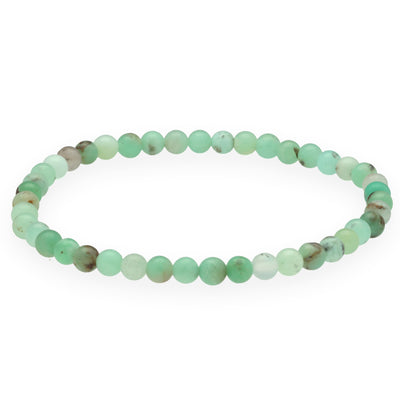
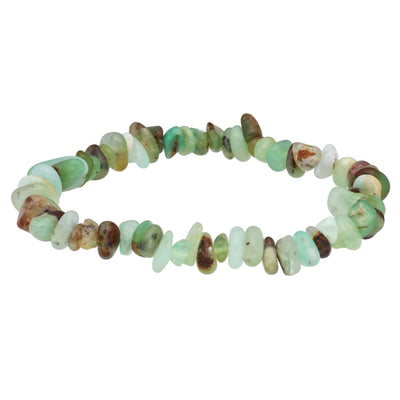
A chrysoprase bracelet or pendant is said to keep the heart open and provide inner peace. Worn close to the heart, it feels especially fitting.
3. In meditation — for letting go
Place chrysoprase on the heart and breathe calmly. It is said to release old wounds and allow new trust to grow.
4. By the bed — for restful nights
A chrysoprase on the nightstand is said to ease overthinking and promote relaxed sleep. Do not place it in direct window light.
5. After separations & disappointments
Wear it as a gentle companion when resentment, jealousy, or sorrow are an issue — chrysoprase is considered the stone for peace with the past.
Chrysoprase bei Lebensquelle Plus
Echte Naturqualität — versandfertig aus Waldbröl, geprüfter Fachhandel.
Cleaning and charging chrysoprase
Clean & charge chrysoprase
Chrysoprase is robust (hardness 6.5–7), but light-sensitive — sunlight is its only real enemy.
Discharge
Rinse under running lukewarm water — chrysoprase tolerates water without any problem. Then dry it off.
Alternatively, discharge overnight in a bowl with hematite tumbled stones.
Charge
Charge it in moonlight or on a clear quartz cluster or amethyst druse — gentle and without color loss.
A clear quartz cluster keeps chrysoprase fresh over time.
⚠️ Never charge in the sun — UV light permanently lightens the green. Prolonged dryness can also fade the color: occasional moistening keeps it fresh. No chemical cleaners, no ultrasound.
How to recognize authenticity
When it comes to chrysoprase, the key question is: genuine nickel-bearing chalcedony or a dyed substitute? These features help:
- Color: genuine chrysoprase shows a natural, slightly yellowish apple green. Bright neon or deep emerald green suggests dyed agate or glass.
- Sheen: the typical look is a soft, waxy to matte sheen — not the glassy shine of clear quartz or glass.
- No banding: chrysoprase is evenly colored throughout. Visible stripes or rings point to dyed agate.
- Hardness: at 6.5–7, chrysoprase scratches glass. If it can be scratched easily itself, it is not genuine chalcedony.
- Feel: genuine chrysoprase feels cool and substantial; plastic imitations feel warm and too light.
Genuine chrysoprase shows a natural apple green with a waxy sheen, is evenly colored, cool, and robust. At Lebensquelle Plus, we focus on natural quality without dyes.
Combining chrysoprase with other stones
- Chrysoprase + rose quartz — double heart power — gentle for emotional healing and self-love.
- Chrysoprase + clear quartz — clear quartz clarifies and amplifies the trust-building effect.
- Chrysoprase + amazonite — heart opening meets honest communication — a duo for clarifying conversations.
- Chrysoprase + aventurine — green serenity in a double pack — for calm and confidence.
- Chrysoprase + rhodonite — both are considered stones of reconciliation — powerful after hurt and conflict.
Frequently asked questions about the effects of chrysoprase
01 What does chrysoprase do? +
In crystal healing, chrysoprase is considered a stone of trust, heart opening, and letting go. It is said to give renewed basic trust, reopen the heart after disappointments, and soften jealousy, envy, and old resentment. It is regarded as a particularly gentle heart stone.
02 Why must chrysoprase not be placed in the sun? +
The apple-green color of chrysoprase comes from the finest nickel compounds and is light-sensitive. UV radiation permanently lightens the green — the damage cannot be reversed. Therefore, charge it in moonlight or on a clear quartz cluster and do not leave it in direct window light for long periods.
03 Can chrysoprase go in water? +
Yes — chrysoprase is robust with a hardness of 6.5–7 and can be cleaned under running lukewarm water. It is also suitable for gemstone water (natural, polished stones). Occasional moisture is actually good for it, because strong drying out can cause the color to fade. Avoid: chemical cleaners and ultrasound.
04 How do I care for chrysoprase properly? +
Cleaning: rinse under running lukewarm water. Charging: in moonlight or on a clear quartz cluster or amethyst druse — never in the sun. Occasional moistening keeps the color fresh. Avoid: direct sunlight, chemical cleaners, ultrasound. Full guide: Clean and charge gemstones.
05 Which zodiac sign is chrysoprase for? +
Chrysoprase is primarily associated with Libra, the air sign that seeks harmony. As a secondary stone, it also suits Taurus well. As a stone of trust and heart opening, however, it suits anyone who wants to let go of old wounds and become more open again.
06 How do I recognize genuine chrysoprase? +
Genuine chrysoprase shows a natural, slightly yellowish apple green with a soft, waxy sheen and is evenly colored throughout — without banding. With a hardness of 6.5–7, it scratches glass and feels cool. Bright neon green or visible stripes indicate dyed agate.
07 What is the difference between chrysoprase and aventurine? +
Both are green quartzes, but they differ clearly: chrysoprase is a fine-grained chalcedony with even apple green and a waxy sheen — the color comes from nickel. Aventurine is coarser-grained, darker green, and shows a characteristic sparkle effect (aventurescence) due to fuchsite inclusions. Chrysoprase is also considered much rarer and more valuable.
08 Is chrysoprase suitable as a gift? +
Very much so — chrysoprase is a meaningful gift for people in times of change: after a breakup, for new beginnings, or as a sign of reconciliation. As a tumbled stone, bracelet, or pendant, it stands for trust, peace of heart, and a conciliatory fresh start.
Conclusion
Chrysoprase — the apple green of trust. In crystal healing, the classic stone for heart opening, trust, and letting go of old wounds. Anyone who wants to become open again after disappointments or is looking for a particularly gentle heart stone will find a mild, robust companion in chrysoprase — one that dislikes only one thing: direct sunlight.
In our chrysoprase range ↗, you’ll find tumbled stones, pendants, and jewelry made from genuine natural quality without dyes — ready to ship from Waldbröl or available directly at our store in Nümbrecht.
Important note: The effects described here come from traditional crystal healing and are not scientifically proven. They do not replace medical diagnosis or treatment. If you have health concerns, please consult a doctor.
Further gemstone guides
- Clear Quartz effect — meaning, use & cleansing
- Amethyst effect — meaning, use & cleansing
- Clean and charge gemstones — the easy way
- Rose Quartz effect — the stone of love
- Aventurine effect — the green lucky stone
- View all chrysoprase products
