



Pyrite shines metallic brass-gold and often forms amazingly perfect cubes — no wonder it was once mistaken for gold and called “fool’s gold.” In crystal healing, it is regarded as the stone of willpower, protection, and abundance — a powerful solar plexus stone. In this guide, you’ll find everything about the purported effects of Pyrite, its meaning, uses, and proper care (very important: never use water!) — compiled by a specialist retailer.
Pyrite — quick facts at a glance
| Mineral class | Sulfide — iron sulfide (FeS₂) |
| Color | brass yellow to gold-like, metallic |
| Hardness (Mohs) | 6 to 6.5 |
| Crystal system | cubic — often perfect cubes |
| Chakra | Solar plexus chakra (Manipura) |
| Zodiac sign | Leo (main), Aries, Capricorn |
| Element | Fire / Earth |
| Special feature | “Fool’s gold” — forms natural cubic crystals |
| Suitable for gemstone water | NO — oxidizes, can form sulfuric acid! |
| Sunlight | Tolerates sun (keep dry) |
| Main locations | Spain, Peru, Italy, USA |
What is Pyrite? Mineralogy and origin
Pyrite is an iron sulfide (FeS₂) with a Mohs hardness of 6 to 6.5. It shines metallic brass-gold and is famous for its often amazingly perfect, naturally grown cubic crystals. Its name comes from the Greek pyr (fire) — when Pyrite is struck against steel, it sparks.
Because of its golden color, Pyrite is also called “fool’s gold” — even gold prospectors once confused it with real gold. The difference: Pyrite is hard and brittle, while real gold is soft and malleable.
Important for care: Pyrite is sensitive to moisture. It oxidizes with water, can form sulfuric acid, and may decompose over time — so it should only be handled and stored dry. Main sources include Spain (perfect cubes from Navajún), Peru, and Italy.
Meaning & history
As far back as the Stone Age, Pyrite was used for starting fires — thanks to the sparks it produces when struck. Later, it was used in early firearms (wheel lock mechanisms).
The Inca polished large Pyrite discs into mirrors. In many cultures, the gold-glinting stone was considered a symbol of the sun, gold, and prosperity — and a protective stone for miners.
In modern crystal healing, Pyrite is the classic stone for willpower, protection, and abundance — a powerful, energizing companion for anyone seeking more assertiveness and success.
Purported effect of Pyrite on the psyche
If someone asks us for a stone for more willpower, assertiveness, or an energetic shield, Pyrite is a strong recommendation. In crystal healing, the following effects are attributed to it:
- Willpower & drive: The classic — Pyrite is said to strengthen willpower, motivate, and help turn plans into action.
- Self-confidence & assertiveness: Said to encourage courage, stand up for oneself, and implement decisions with strength.
- Protection & defense: Traditionally a protective stone that is said to act like an energetic shield against negative influences.
- Abundance & prosperity: As a “golden” stone, it is associated with success, abundance, and material prosperity.
- Vitality & energy: Said to provide new strength and momentum, especially during exhaustion and lack of drive.
- Focus & success: Linked with concentration, determination, and achieving goals.
Pyrite is therefore especially suitable for phases in which willpower, assertiveness, protection, or professional success are the focus — and for people who feel listless, insecure, or energetically drained.
Purported effect of Pyrite on the body
In traditional crystal healing, Pyrite is said to have the following physical effects — these claims come from traditional descriptions and are not a substitute for medical diagnosis or treatment.
- Vitality & energy: Traditionally associated in folk healing with renewed strength and an active energy balance.
- Airways & lungs: Traditionally assigned to the respiratory system — described as a strengthening, stimulating stone.
- Circulation & blood: Due to its iron content, traditionally associated with circulation and blood flow.
- Cell strength: In older descriptions, linked with regeneration and cell protection.
- Fatigue: Said to provide new energy during exhaustion and lack of drive.
- Well-being: Considered a warming, strengthening companion in everyday life.
Pyrite is absolutely not suitable for gemstone water — it oxidizes with water and can form sulfuric acid. Instead, use it as a raw piece, cube, or decorative stone on your desk or in a room, where its powerful effect in crystal healing is most appreciated.

Pyrite and the chakras
In chakra teachings, Pyrite is assigned to the solar plexus chakra (Manipura) — the energy center above the navel, which stands for willpower, self-confidence, assertiveness, and personal power. Its golden color fits this “sun chakra” perfectly.
As a powerful solar plexus stone, Pyrite is said to ignite inner fire, strengthen one’s center, and help channel personal energy purposefully — ideal for anyone who needs more grit and assertiveness.
In practice, Pyrite is placed on the solar plexus or in the work area — as a “source of strength” for motivation, focus, and energetic protection.
Pyrite & the 7 main chakras
Pyrite is a powerful solar plexus stone — it is said to strengthen willpower, self-confidence, and inner fire.
Pyrite and the zodiac signs
Astrologically, Pyrite is considered the main stone for Leo — the sun-ruled, self-assured fire sign. It is said to enhance Leo’s strength, radiance, and assertiveness.
As a secondary stone, it also suits Aries (drive, courage) and Capricorn (success, prosperity). As a stone of willpower and abundance, Pyrite suits anyone seeking more assertiveness, protection, and professional success.
Using Pyrite in everyday life
1. On the desk — for success & focus
A raw Pyrite piece or cube at the workplace is said to strengthen motivation, concentration, and assertiveness — and provide energetic protection.
2. In the “wealth corner” — for abundance
As a prosperity stone, Pyrite is often placed near finances, in the money corner, or at the checkout to attract abundance and success.
3. In the hand — for decisions
Hold Pyrite (dry!) in your hand to gather willpower and courage for important decisions.
4. In meditation — for inner fire
Place Pyrite on the solar plexus. It is said to strengthen one’s own power, self-confidence, and inner center.
5. As a protective stone in the room
A Pyrite stone in the entrance area or living space is said to act like an energetic shield against negative influences.
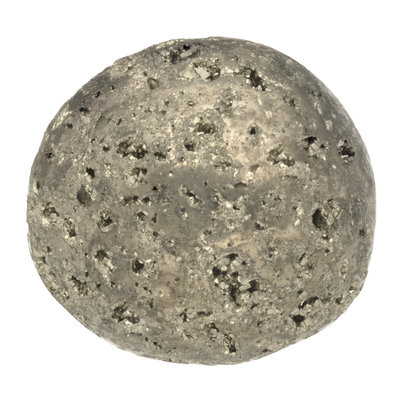
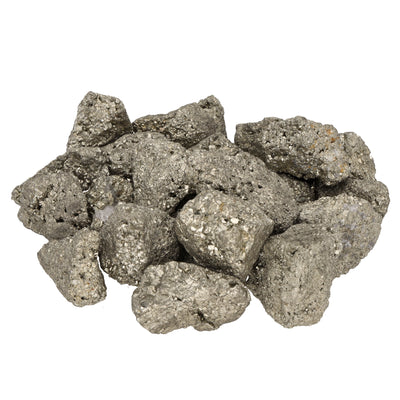
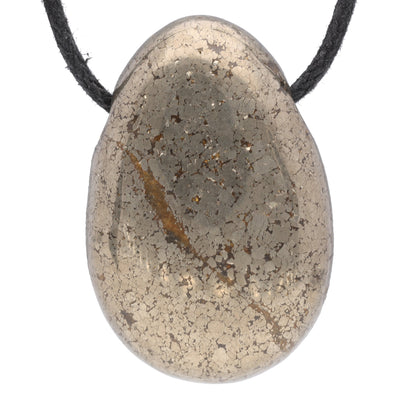
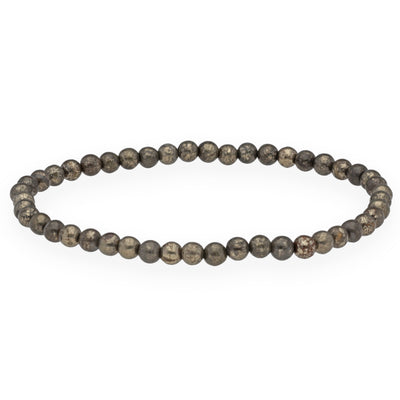
Pyrite bei Lebensquelle Plus
Echte Naturqualität — versandfertig aus Waldbröl, geprüfter Fachhandel.
Cleaning and charging Pyrite
Clean & charge Pyrite
Pyrite is sensitive to moisture — it needs exclusively dry care.
Clean
Wipe only with a dry, soft cloth. NEVER with water — Pyrite oxidizes, can form sulfuric acid, and may decompose!
Alternatively, briefly cleanse energetically next to a quartz cluster — completely without water.
Charge
Charge in the sun or on a quartz cluster or amethyst geode — always dry.
A quartz cluster keeps Pyrite fresh permanently.
⚠️ NEVER use water! Pyrite oxidizes and can decompose. Also avoid humid air — store dry (e.g. with silica gel in the jewelry box). Not for gemstone water.
Recognizing authenticity
Pyrite is often confused with real gold, marcasite, or brass. These features help:
- Cubic shape: real Pyrite often forms amazingly straight, natural cubes or pentagonal dodecahedrons — a strong sign of authenticity.
- Hardness: Pyrite is hard at 6–6.5 and brittle; real gold is much softer and can be bent/scratched. Pyrite is more likely to shatter than deform.
- Streak color: if you rub Pyrite on unglazed porcelain, it leaves a greenish-black streak — gold leaves a golden-yellow one.
- Metallic luster: Pyrite is opaque and metallic brass-gold, never translucent like a glass imitation.
- Weight: Pyrite is noticeably heavier than glass or plastic replicas of the same size.
Real Pyrite is brass-gold, metallic, hard, and often cubic in crystal form. At Lebensquelle Plus, we focus on natural quality.
Combining Pyrite with other stones
- Pyrite + Quartz — Quartz clarifies and amplifies Pyrite’s powerful, protective effect.
- Pyrite + Citrine — the golden abundance duo — willpower meets sun and prosperity.
- Pyrite + Black Tourmaline — double protection — Pyrite strengthens, Tourmaline grounds and shields.
- Pyrite + Tiger’s Eye — willpower & courage — a strong set for assertiveness and self-confidence.
- Pyrite + Carnelian — concentrated drive — for momentum, energy, and tackling new goals.
Frequently asked questions about the effects of Pyrite
01 What does Pyrite do? +
In crystal healing, Pyrite is considered a stone of willpower, protection, and abundance. It is said to strengthen drive and self-confidence, protect like an energetic shield, and attract success and prosperity. As a solar plexus stone, it is said to ignite inner fire.
02 Why must Pyrite not go in water? +
Pyrite is an iron sulfide and oxidizes with water. In the process, it can form sulfuric acid and decompose over time — the surface becomes dull and brittle. Therefore: never clean with water, not for gemstone water, and avoid humid air. Care for it only with a dry cloth.
03 Is Pyrite real gold? +
No. Pyrite is called 'fool’s gold' because of its golden color, but it is iron sulfide, not gold. The difference: Pyrite is hard and brittle and shatters, while real gold is soft and malleable. Its streak color also gives it away: Pyrite leaves a greenish-black streak, gold a golden-yellow one.
04 How do I care for Pyrite properly? +
Care only dry: wipe with a soft, dry cloth. Never use water. Charge in the sun or on a quartz cluster — always dry. Store dry and avoid humid air, otherwise it oxidizes. Full guide: Clean and charge gemstones.
05 Which zodiac sign is Pyrite for? +
Pyrite is mainly assigned to Leo, the sun-ruled fire sign. As a secondary stone, it suits Aries and Capricorn. As a stone of willpower and abundance, it suits anyone seeking more assertiveness and success.
06 How do I recognize real Pyrite? +
Real Pyrite is brass-gold, metallic, and opaque — often with remarkably straight, natural cubes. With hardness 6–6.5, it is hard and brittle, leaves a greenish-black streak, and is much heavier than glass imitations. Translucent or very light “Pyrites” are not genuine.
07 Which stones go well with Pyrite? +
Classic combinations: Pyrite + Quartz (amplification), Pyrite + Citrine (abundance & prosperity), Pyrite + Black Tourmaline (double protection), Pyrite + Tiger’s Eye (willpower & courage), Pyrite + Carnelian (drive).
08 Is Pyrite suitable as a gift? +
Very much so — Pyrite is a powerful, shining gift for anyone facing success, assertiveness, or a fresh start in their career. As a raw piece, cube, or decorative stone, it stands for willpower, protection, and abundance.
Conclusion
Pyrite — the golden fire of willpower. In crystal healing, the classic stone for assertiveness, protection, and abundance. Anyone seeking more grit, self-confidence, or professional success will find a powerful companion in Pyrite — provided it is kept consistently dry.
In our Pyrite range ↗, you’ll find raw pieces, cubes, and decorative stones in genuine natural quality — ready to ship from Waldbröl or available directly on site in our store in Nümbrecht.
Important note: The effects described here come from traditional crystal healing and are not scientifically proven. They do not replace medical diagnosis or treatment. If you have health concerns, please consult a doctor.
Further gemstone guides
- Quartz effect — meaning, use & cleansing
- Amethyst effect — meaning, use & cleansing
- Clean and charge gemstones — the easy way
- Citrine effect — sun & abundance
- Tiger’s Eye effect — courage & willpower
- View all Pyrite products